Asset Management

This article from the SPE Integrated Reservoir Management Technical Section (IRMTS) addresses decisions that look stronger than they are and take longer to implement than the reservoir can afford.

This case study from Malaysia’s Petronas outlines a comprehensive review of perforation-charge testing across various tubular and reservoir conditions to help improve production from complex downhole scenarios.

This paper discusses waterflooding and field-development implications of subsea seawater treatment for improved oil recovery.
-
 Denbury acquires carbon-storage land in the South, Baker Hughes forms a new wells consortium, and Chevron and BP expand their investments. Hydrogen takes center stage across the globe, while the international energy transition makes strides toward its goals.
 -
NextDecade pushes the final investment decision on project to the first quarter of 2023.
-
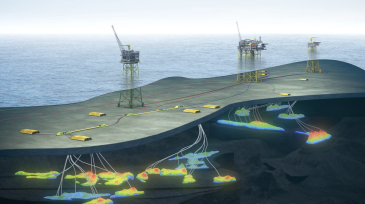
Aker BP submitted the NOAKA development plan along with 10 other investments on the Norwegian shelf that collectively represent one of the largest private industrial developments in Europe.
-
The two companies said they will work together to try to find the best places to develop geothermal energy and advance the necessary technologies to commercial scale.
-
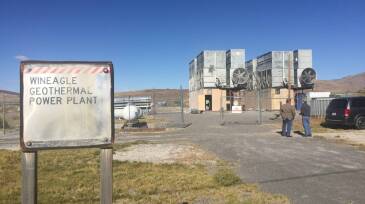
Chevron and Occidental plan to launch separate projects to help secure the commercial future of geothermal development in the US.
-
Leveraging its existing natural gas interests, plus renewables potential in Egypt and Mauritania, BP is now factoring in Africa to realize its global ambitions as a hydrogen producer.
-
Operator also moves forward with electrification of the Njord field.
-
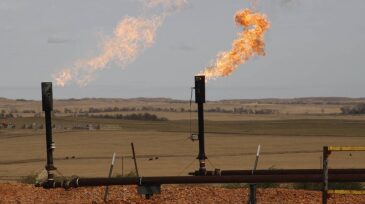
Barriers remain, but oil companies across the world are now in a position to reap big profits by capturing methane instead of flaring and venting it.
-
Boosting gas production from Israel’s Tamar offshore gas field, combined with gas from the neighboring Leviathan field, will further the ambitions of both Israel and Egypt in the Eastern Mediterranean.
-
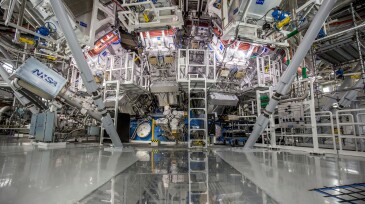
A breakthrough fusion demonstration at Lawrence Livermore National Laboratory produced more energy than it used—a historic first.