Asset Management

Operators aren’t rushing to drill, even as the closure of the Strait of Hormuz drives oil prices up.

The paper describes the revalidation of a deepwater prospect that resulted in a no-drill decision.

The following three papers show challenges and potential solutions across various stages of the deepwater well-development cycle from a variety of deepwater basins across the world.
-
 The Mexican government continues to update its environmental regulations as authorities prepare for the first exploration and production (E&P) auction to feature blocks with unconventional oil and natural gas resources.
 -
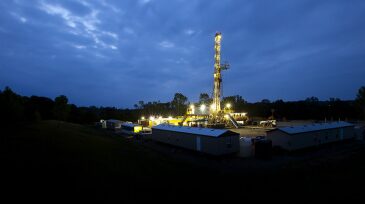
The composite upstream economic index for Texas increased for the eighth consecutive month due to a number of factors, including increased rig count, drilling permits, and upstream employment figures.
-
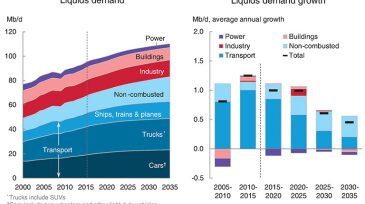
Oil demand growth from the transportation sector, the linchpin of oil consumption, will slow to a trickle by 2035 and level off, while demand from the petrochemicals sector will become oil’s chief growth driver, the BP 2017 Energy Outlook says.
-
One person who has given a lot of thought to what the oil and gas industry might look like when it can no longer count on a growing consumption from the transport sector is Iskander Diyashev, an instructor for PetroSkills and a former SPE Director who is serving as an SPE Distinguished Lecturer in 2017–18 for the second time. His current lecture topic is The Future of…
-
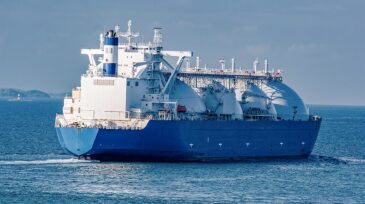
LNG as a fuel source has been an energy staple for many Asia-Pacific countries for decades, and is increasing in importance in other regions as countries look to diversify their energy mix.
-
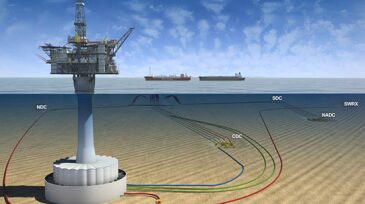
Husky Energy awarded the EPCI contract for its $1.6-billion expansion project, West White Rose, to TechnipFMC. It includes the supply and installation of subsea equipment.
-
A joint industry-academic research initiative is expanding the knowledge of subsurface microbe populations and their interaction with drilling and production operations.
-
Despite a decline in oil and gas production and a decrease in revenue from 2015, an Ernst & Young’s study had a cautiously optimistic outlook as the industry adjusts to what it called “the new normal” of a lower, but stable, oil price.
-
Acteon Group is buying Actuant’s Viking SeaTech business at a steeply discounted price of $12 million compared to the $225 million that Actuant paid in 2013 to acquire the company, and Actuant is buying Acteon’s Mirage for $16 million.
-
BHP Billiton plans to divest its US onshore assets. The company will continue to complete well trials, acreage swaps, and look into midstream solutions to increase the value, profitability, and marketability of the assets.