Asset Management

Talos Energy founder Tim Duncan has been named executive chairman of newly formed 1947 Oil&Gas, which will focus on acquiring and developing mature, shallow-water assets through its buyout of Renaissance Offshore. The deal is expected to close in Q2 2026.

Operators aren’t rushing to drill, even as the closure of the Strait of Hormuz drives oil prices up.

The following three papers show challenges and potential solutions across various stages of the deepwater well-development cycle from a variety of deepwater basins across the world.
-
 A global energy model estimates the long-term energy mix, including solids, liquids, and gases, that will satisfy energy demand to the year 2040.
 -
The number of delayed projects getting final investment approvals is rising, but the number not clearing that tough bar is rising as well.
-
For startups in the upstream sector, knowing how to navigate through a technology's Minimum Viable Product stage is critical, but not always straight forward.
-
The upstream sector for Mexico’s offshore oil and gas fields continues to diversify after its most recent tender.
-
Low oil prices have made the goal of this Petrobras project and its four partners to lower the break-even price of operating to USD 35/bbl.
-
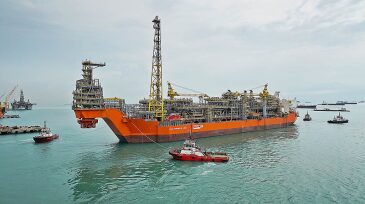
Reliance Industries and BP are going forward with the expansion of a huge field off the east coast of India that is expected to fill 10% of the country’s energy needs.
-
After the 2010 Gulf oil spill, the Obama administration broke the scandal-plagued federal agency that policed offshore drilling into separate bureaus. Now, the Trump administration is considering putting it back together again.
-
The momentous passage of the Petroleum Industry Governance Bill on 25 May 25 by the Nigerian Senate was heralded by many as a revolutionary step at creating a legal framework to address some of the perennial challenges that have plagued the oil and gas industry over the years.
-
Petrobras, Wood Group, Shell, BP CEOs are among the industry leaders scheduled to speak at SPE Offshore Europe 2017 in Aberdeen.
-
An analyst from Rystad looks at the state of the offshore drilling market and the likelihood of recovery by 2021.