Asset Management

This paper presents a flexible, highly cost- and energy-efficient method of gas separation and CO₂ capture from many different gas mixtures with a large range of CO₂ concentrations.

This work introduces a novel predictive methodology combining historical metocean data with real-time riser analysis for shallow water dynamically positioned rig operations.

This study explores the carbon-capture and mineralization potential of ultramafic rock powders when exposed to flue gases generated from combustion of crude oil and mesquite-derived charcoal.
-
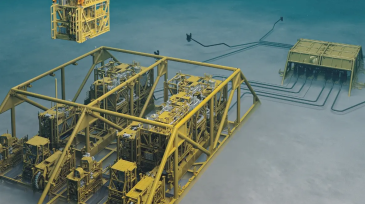
 Thailand’s PTTEP is partnering with subsea joint venture SLB OneSubsea to expand capacity across two fields offshore Malaysia.
 -
The objective of this microfluidic investigation is to identify and test two novel applications for magnetic fluids in porous media for subsurface oilfield applications.
-
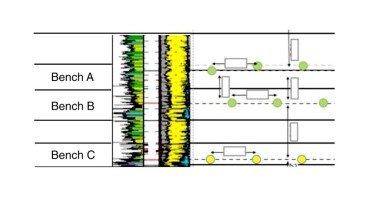
The aim of this study is to incorporate detailed geological, petrophysical, and hydraulic fracturing models to better predict and mitigate the effects of interbench interactions.
-
This paper describes a study to design and implement an enhanced oil recovery project via huff ’n’ puff using Y-grade injectant.
-
This study compares water-based chemicals including surfactants, nanoparticles, and ketones that can be used for enhancing the oil recovery of shale-oil reservoirs.
-
Growing energy transition investment highlights oil and gas technologies as key enablers.
-
Updates about global exploration and production activities and developments.
-
Adaptability, collaboration, and digital technologies are all pages in Aramco’s oilfield R&D playbook.
-
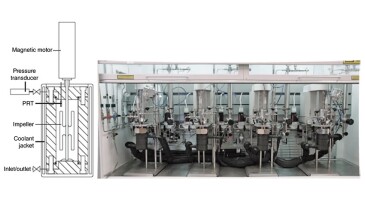
This paper presents an approach to subsea hydrate-risk management based on the understanding that some crudes have induction properties that delay hydrate formation even when the pressure and temperature conditions reach the hydrate thermodynamic region.
-
EERC CEO Charles Gorecki outlines how applied research in North Dakota is helping improve oil recovery, reduce emissions, and advance carbon storage.