Asset Management

DNV notes that energy and industrial process-related carbon emissions will have dropped by 2050 by only 44% from today’s level, not even halfway to the net-zero pledge envisioned by the Paris climate agreement.
The UAE project is expected to produce up to 345 MMscf/D by 2029, with expansion potential to 1 Bcf/D.

This study investigates the potential for in-situ hydrogen generation from hydrocarbons using in-situ combustion, with particular emphasis on the role of kerogen content and heating mode.
-
 Sanchez Energy’s COO discusses the company’s project management strategies in its Eagle Ford operations.
-
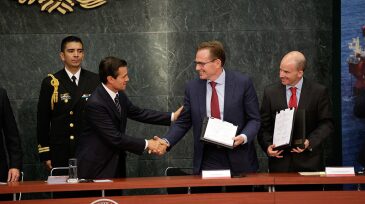
To meet its projected oil demand in 2040, Mexico must see about USD 30 billion/year in upstream investment. BHP Billiton’s contract signing with Pemex represents a step in the needed direction.
-
Russia has looked to the east to find more oil and gas, growing markets and investor support, allowing it to shrug off the global slump and trade sanctions.
-
If a boom in electric vehicle sales takes place, a group of auto experts suggest it would represent a larger immediate threat to electricity supply than it would to oil demand.
-
The deal will transfer nearly 2 billion bbl of reserves to Canadian Natural Resources while bolstering Shell's downstream and carbon-capture role in support of oil sand development.
-
At IHS CERAWeek, Saudi Arabian Energy Minster Khalid A. Al-Falih and Pemex Director General José Antonio González Anaya expressed cautious optimism for the short-term outlook.
-
Opportunities to convert gas or natural gas liquids into high-octane gasoline blending stocks could contribute to growth in US natural gas demand.
-
The new head of ExxonMobil used his first major public appearance to emphasize the major oil company's committment to environmental concerns through the development of emerging technologies.
-
The CEOs of Petrobras and Statoil discuss the challenges their companies face in enacting economically and environmentally sound operational policies.
-
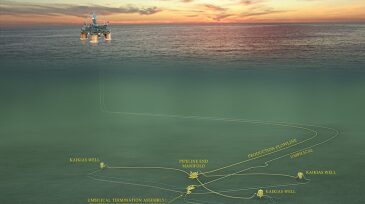
The international major's low-cost development plan calls for a subsea tieback that will transport oil and gas through a single flowline to an existing floating production facility.