Asset Management

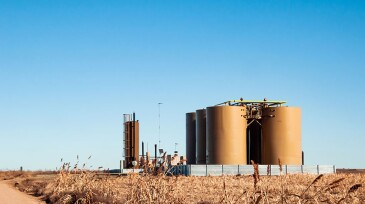
As the pace of new discoveries slows and high-quality prospects become harder to find, oil companies may need to rely more heavily on mature fields to maintain production and support future supply.

This guest editorial examines why geothermal projects require a different planning, financing, and development approach than traditional oil and gas projects.

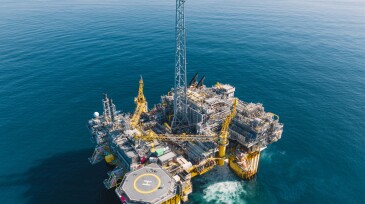
With confidence in subsea boosting performance growing, BP is incorporating pumping systems into both greenfield developments and brownfield expansions.
-
 As carbon capture scales up worldwide, the real challenge lies deep underground—where smart reservoir management determines whether CO₂ stays put for good.
 -
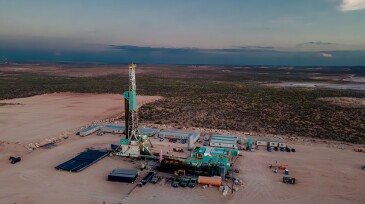
As US shale potentially stares at a production plateau, operators and service providers are turning to smarter tools to extend the life of aging plays.
-
This article is the third in a Q&A series from the SPE Research and Development Technical Section focusing on emerging energy technologies. In this piece, Zikri Bayraktar, a senior machine learning engineer with SLB’s Software Technology and Innovation Center, discusses the expanding use of artificial intelligence in the upstream sector.
-
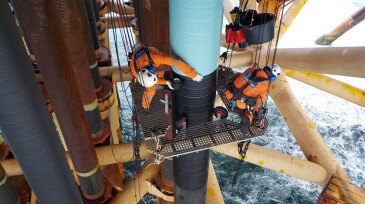
Successful in other applications, self-healing coatings could be the oil industry’s ticket to fighting corrosion and extending the life of steel.
-
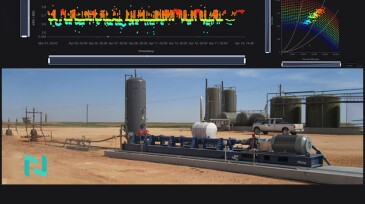
This article presents a results-driven case study from an ongoing collaboration between a midstream oil and gas company and Neuralix Inc.
-
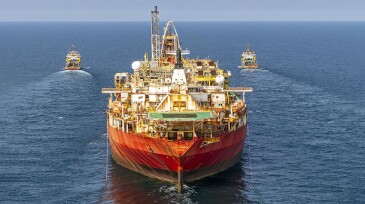
Shell became the first international company to operate producing fields offshore Brazil and the first to navigate the country’s complex and detailed decommissioning permitting process, which involved extensive environmental assessments, regulatory approvals, and coordinated stakeholder engagement.
-
The service giant shares how its new technology can sense rock properties 50 ft ahead of the bit in horizontal wells.
-
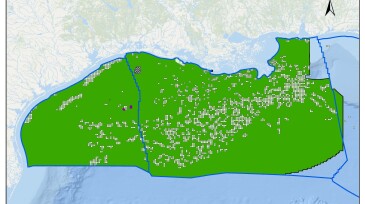
Sale 262 will be the first new auction covering leases in US Gulf federal waters in 2 years.
-
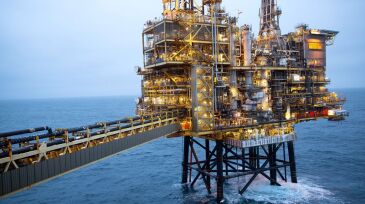
Equinor and Shell plan to launch the joint venture—initially announced in late 2024—by the end of 2025, pending regulatory approvals.
-
North Sea tieback to the Troll C platform could begin production by the end of 2029.