Asset Management

The long-term outlook analysis says a potential shift toward new construction could push 2026 production 3% above 2025 levels.

Lower operating expenditures and a changing asset mix helped UKCS operators cut average production costs by 9% year over year, despite relatively flat production levels, according to the NSTA.

The deal adds 40,000 B/D of production and epands Cenovus’ SAGD footprint with three Alberta assets.
-
 Tracking the Energy Transition: The Decarbonization Puzzle, the Power of Wine, and Hydrogen on TrackMajor energy companies are tapping into wine residues, used cooking oil, and waste animal fat to produce biofuels. Retooling to meet clean energy goals dominated the first day of the SPE Annual Technical Conference and Exhibition. And the US and European Union launched a global methane reduction pact that has climate advocates breathing a sigh of relief just weeks bef…
 -
Wind energy is one career option for engineers who have the offshore experience needed for a business planning for a boom. It looks like an obvious renewable energy option now, but flexibility is required because this transition is likely to change direction.
-
CEOs from some of the biggest oil and gas firms in the world kicked off SPE's Annual Technical Conference and Exhibition with a clear message on what the energy transition means to them and what's at stake.
-
Shell is getting out of the Permian by selling out to ConocoPhillips, which has added to its bets in the west Texas play for the second year in a row.
-
Shell reported that most of its production was back online, but some facilities will remain shut-in until the end of the year.
-
Operator hands out early engineering contracts to its alliance partners related to Norwegian North Sea development.
-
Applications will now be reviewed, and licenses will be awarded sometime in 2022.
-
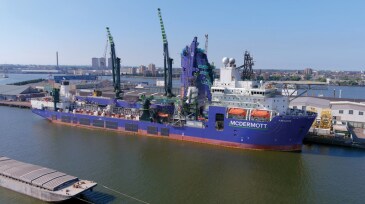
The contractor will provide engineering, procurement, construction, installation, and commissioning for pipelines and umbilicals at the Shell-led deepwater field.
-
This paper provides an overview on low-carbon-intensity technologies that are instrumental to the decarbonization of the energy industry. While hydrogen is the most promising low-carbon-intensity energy vector, substitute natural gas is the most promising and immediate solution among the hydrocarbon-based fuels.
-
The Mexican state oil company’s increased spending plan is designed to turn around flagging oil production.