Asset Management

Trafigura will purchase 100,000 metric tons of battery-grade lithium products under a decade-long take-or-pay contract valued at over $2 billion.

The Absheron gas field expansion will supply additional natural gas to Azerbaijan’s domestic market and support its export commitments to Turkey, allowing Baku to stay focused on meeting its gas export obligations to Europe.

A credible custody-transfer record depends on far more than the accuracy of a single meter. It is the product of an integrated measurement chain. While meter performance supports measurement-system integrity, commercial confidence also depends on traceability, governance, and authorization.
-
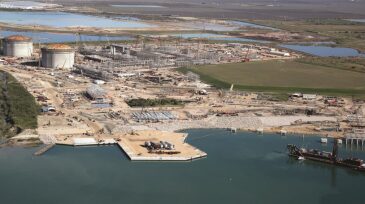
 One of the world’s leading energy watchers says the second shale revolution will come in the form of LNG exports.
 -
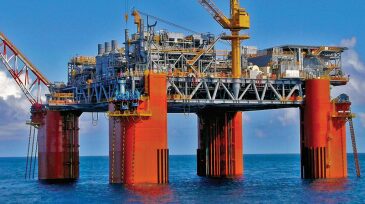
A major offshore discovery led by Talos Energy is the first successful wildcat well drilled by a private company in Mexico in almost 80 years and a milestone for the country’s recently enacted energy reform.
-
Untapped offshore gas reservoirs could easily meet all of the country's domestic needs, while the rest could supply regional neighbors.
-
The merger of industrial giant GE and oilfield services firm Baker Hughes closed on 3 July, creating the second-largest oil field services firm in the world.
-
Saudi Arabia, the Permian Basin, and global deepwater areas have vastly different futures predicted. Is it time for a deepwater renaissance?
-
Mediocre leadership crushes employee gold and can be the unwitting source of unforeseen organizational outcomes.
-
While the industry grappled with the disruptions caused by collapsing oil prices, the long-awaited “big crew change” took place almost unnoticed. But some of its challenges remain.
-
30 years after being discovered in the North Sea, this heavy-oilfield is now flowing.
-
The US Energy Information Agency reports that the country is seeing petroleum exports rise across the board and notes serveral drivers for this trend.
-
A global energy model estimates the long-term energy mix, including solids, liquids, and gases, that will satisfy energy demand to the year 2040.