Midstream

As Egypt’s largest oil and gas investor, Eni is ramping up its 2026–2027 drilling campaign with new investments cross the Mediterranean offshore, Nile Delta, Western Desert, and offshore Sinai to strengthen the country’s role as a regional gas and LNG export hub.

The deals, with a potential value exceeding $3.7 billion, are aimed at strengthening Saudi Aramco’s supply chains and expanding its use of industrial artificial intelligence.
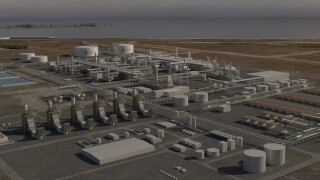
ExxonMobil’s Letter of Intent to begin preliminary engineering and procurement work for Mozambique’s Rovuma LNG project bridges the development to a final EPC contract, which Area 4 partners are expected to award following an FID anticipated by year-end 2026.
-
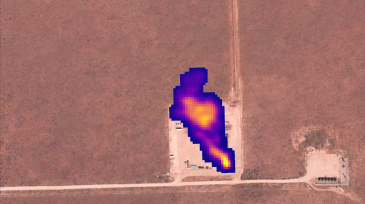
 EDF and Carbon Mapper find more than two dozen facilities producing the same near-term climate pollution as about 500,000 passenger vehicles.
 -
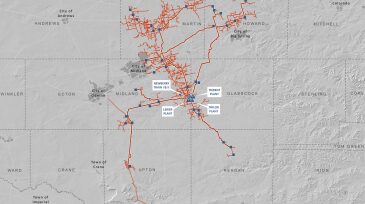
The acquisition gives Enterprise’s natural gas and NGL business an entry point into the Midland Basin.
-
Over the past 30 years Caspian nations such as Azerbaijan and Kazakhstan have built thriving economies on oil and gas wealth led by global energy companies and a handful of megaprojects. As times change, that model may need to be reassessed.
-
Eight-year project to replace key Canada-to-US crude oil pipeline completed.
-
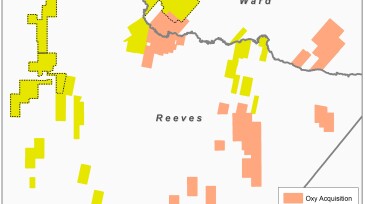
The pureplay water midstream company bought the produced water infrastructure associated with Colgate’s purchase of Occidental acreage in June.
-
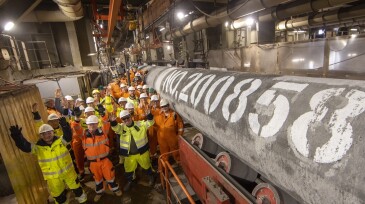
Russia’s Nord Stream 2 pipeline is now complete, although gas will not be flowing until regulators issue various approvals, expected by the end of the year.
-
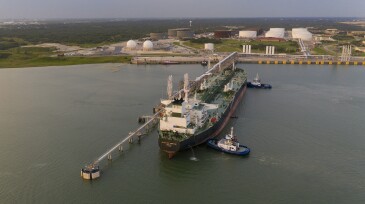
Canadian midstream giant adds key US oil export capacity via private-equity exit.
-
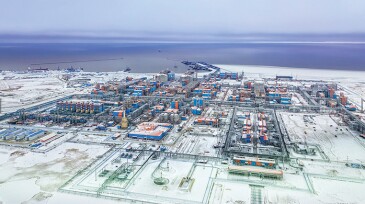
Russia is pouring investment into liquefied natural gas projects as it seeks to leverage the world’s largest natural gas reserves together with the logistical advantages of delivering it at a competitive price to Asia and Europe along the now-navigable Northern Sea Route.
-
A subsidiary-owned pipeline near Marmon, North Dakota, spilled more than 700,000 bbl of produced water over a period of almost 5 months in 2014–2015.
-
The complete paper provides tools useful for decision-makers to prevent adverse pipeline incidents caused by human action, poor facility performance, accidents, emergencies, and external events.