Onshore/Offshore Facilities

While Uzbekistan has seen a significant drop in flaring, methane leaks from deteriorating infrastructure continue to reveal themselves to satellites in space.

Analysts weigh near‑term risks for Middle East oil and gas producers after a tentative 2‑week ceasefire between the US‑Israeli coalition and Iran.

The North Sea project, which is sending production to the nearby Ivar Aasen platform, came online 9 months ahead of schedule.
-
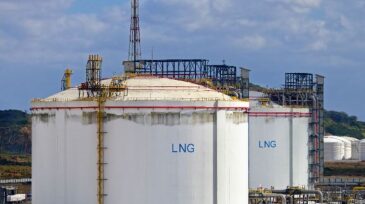
 Wood Mackenzie is bullish on the future of global LNG demand. Chief Analyst Simon Flowers outlines the risks ranging from spot prices, project economics, and environmental concerns.
 -
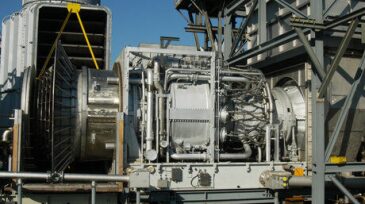
Baker Hughes scored what it said is among the largest LNG deals it has secured in the past 5 years. The compressors will be installed in Qatar Petroleum’s North Field East LNG trains, boosting Qatar’s total LNG production capacity from 77 mtpa to 110 mtpa.
-
SPE’s technical director for Production and Facilities, shares some hard lessons learned—and successes—over his 50 years of experience, from being a greenhorn to launching his own business.
-
The Dutch major said it has filed an application for drilling operations in the North Slope as part of an effort to help attract buyers to 18 leases it purchased rights to in 2012.
-
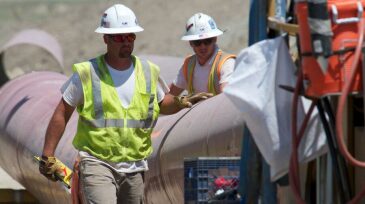
One of North America’s biggest midstream companies is getting a new chief in the new year. He will oversee the construction of a 1,200-mile-long pipeline that has been a decade in the making.
-
The contract is for Equinor’s unmanned process platform at the Krafla field in the North Sea, with plans for tie-in to an Aker BP host platform in the North of Alvheim area.
-
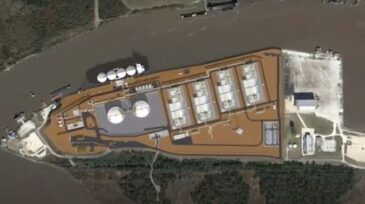
Global market conditions have impacted Magnolia LNG’s ability to reach FID. Kinder Morgan’s pipeline project also depends on an FID for the Magnolia LNG project.
-
To provide condition monitoring and combat fouling, the robot clings and moves along the hull walls. It is controlled via a 4G connection to clean and inspect the walls in line with individual vessel schedules developed through a proprietary algorithm and big data.
-
Rystad Energy compared the decommissioning costs based on two similar steel platforms, one in each region, using its cost-estimating tool.
-
Two of Europe’s largest oil and gas producers will lead four offshore wind projects that together have the potential of powering 2 million homes.