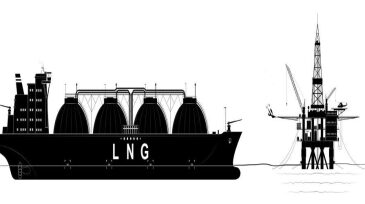
Onshore/Offshore Facilities

While Uzbekistan has seen a significant drop in flaring, methane leaks from deteriorating infrastructure continue to reveal themselves to satellites in space.

Analysts weigh near‑term risks for Middle East oil and gas producers after a tentative 2‑week ceasefire between the US‑Israeli coalition and Iran.

The North Sea project, which is sending production to the nearby Ivar Aasen platform, came online 9 months ahead of schedule.
-
 New LNG capacity in 2019 kept pace with higher trading volumes and supply/demand growth. Key questions and barriers still remain for the future of the LNG industry in 2020.
 -
Wind turbine substructures and anchors made of special concrete would float to a site from an onshore plant.
-
The AI-driven tool will detect anomalies in subsea oil and gas infrastructure.
-
I suspect that most people’s 2022–2030 strategic planning windows have shifted. Operational and tactical plans and strategies will need to be based on a widely divergent set of assumptions.
-
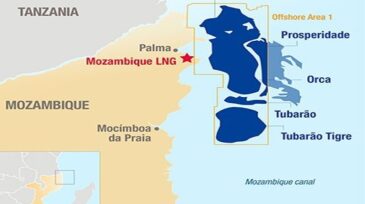
The W-Industries contract comes 2 months after Worley was awarded a master service agreement for services on the Mozambique LNG project.
-
Proposal requests were sent to companies to solicit partnerships for the project with ADNOC and ADPower.
-
The proposed Russian LNG project would sell LNG to Asia by 2025. It is the latest in a handful of LNG projects slated for Russia.
-
Despite streams of data being available on platforms about the condition of topside and drilling equipment, most experts agree that only a small fraction of such data is used. Whether for a fleet or single platform, AI can transform an offshore enterprise.
-
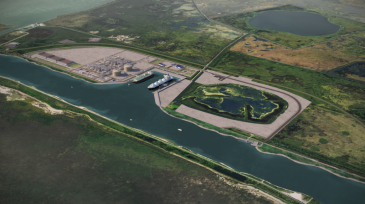
The LNG market remains a mixed bag heading into Q2. Port Arthur LNG is just the latest to see a delayed FID, while other LNG projects are still moving ahead.
-
Historically, natural gas contract prices were tied to the price of crude; now, volatility and growth in spot-market liquidity signal a shift from long-term linking toward a more integrated market.