Onshore/Offshore Facilities

Despite significant progress in capturing associated gas for domestic use, Iraq remains the world’s third-largest gas-flaring country as it aims for higher oil and gas production targets.

The 2026 Upstream Scale Guidelines establish a common workflow for field measurements, scale modeling, and risk assessment to support more consistent operational decisions.

Shell has reached FID on LNG Canada Phase 2, a major expansion that will double the Kitimat facility’s LNG export capacity to 28 mtpa and strengthen long-term supply to growing Asian markets.
-
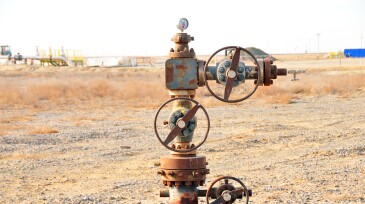
 The DOI guidance explains how states can apply for the first $775 million in grant funding available this year under the Bipartisan Infrastructure Law to create jobs cleaning up polluted and unsafe orphaned oil and gas wellsites across the country.
 -
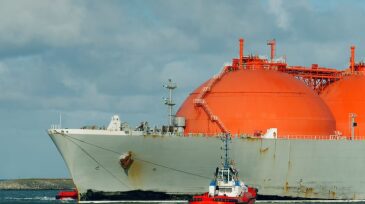
Discussions on long-term LNG supplies from Qatar to Germany to re-engage after years of uncertainty held up potential deals.
-
This prestigious award is presented to OTC exhibitors who are revolutionizing the future of offshore energy through technological advancement and innovation. A total of 14 companies, including seven small businesses, were recognized this year for their breakthrough hardware and software technologies.
-
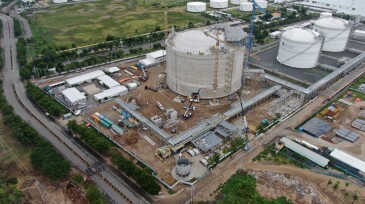
Venture Global is closing in on FID for Plaquemines LNG terminal in Louisiana and has already sold 70% of its planned nameplate capacity.
-
The plants are expected to be put into operation no later than 2024.
-
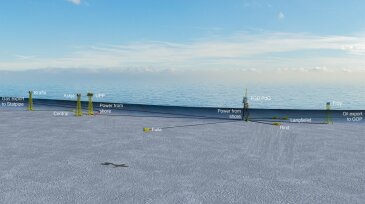
Billed as the world’s longest AC power-from-shore project, Aker BP’s NOA Fulla field and Equinor’s Krafla field in the North Sea will be powered from the mainland by renewable hydropower.
-
Bechtel gets the go-ahead to begin early engineering and procurement work under a limited notice to proceed.
-
Baker Hughes will supply a plug-and play modularized liquefaction train system for the Plaquemines LNG project.
-
The proposed LNG terminal will expand Germany's alternatives for gas supply and reduce its dependence on Russian imports.
-
UK offshore oil and gas producers are moving closer to the region's goal of achieving zero routine flaring by 2030.