Onshore/Offshore Facilities

Despite significant progress in capturing associated gas for domestic use, Iraq remains the world’s third-largest gas-flaring country as it aims for higher oil and gas production targets.

The 2026 Upstream Scale Guidelines establish a common workflow for field measurements, scale modeling, and risk assessment to support more consistent operational decisions.

Shell has reached FID on LNG Canada Phase 2, a major expansion that will double the Kitimat facility’s LNG export capacity to 28 mtpa and strengthen long-term supply to growing Asian markets.
-
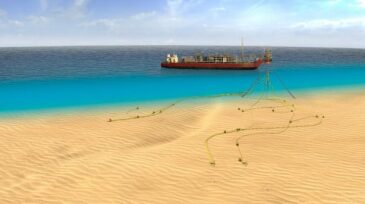
 The standalone FPSO destined for Senegal’s first offshore oil development is on its way to a Singapore yard for topsides integration and commissioning.
 -
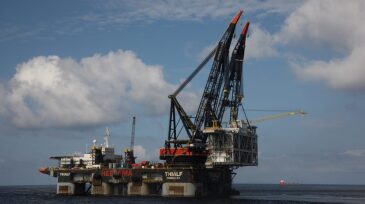
Cassia C is BP Trinidad and Tobago's first offshore compression platform.
-
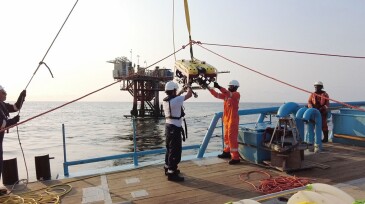
The Seaeye Falcon underwater robot is being used in the decommissioning and repurposing of an oil rig offshore Angola.
-
Pemex and New Fortress Energy partner up to develop the Lakach gas field.
-
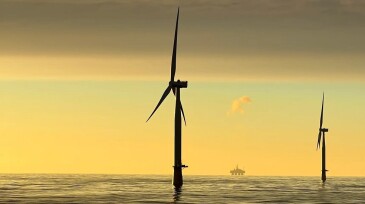
The power from the first turbine to come online will be used to help run the Gullfaks A platform in the North Sea. Seven of the 11 turbines in the field are expected to begin producing power within a year.
-
A network of more than 1,600 offshore facilities produces a significant portion of US domestic oil and gas. The facilities, which rely on technology to remotely monitor and control equipment, face a growing risk of cyberattacks.
-
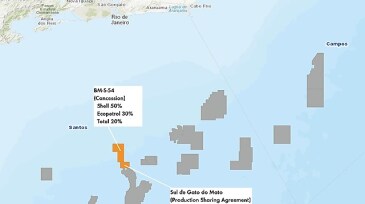
The supermajor is expected to put off green-lighting the presalt project for up to 2 years.
-
Louisiana-based Commonwealth LNG gets the green light, while Delfin LNG gets more time on the development clock.
-
The subsea partners secured a contract for the Cypre gas project offshore Trinidad and Tobago.
-
The collaboration seeks to jointly develop onshore LNG modules with capacities between 1 and 2 mtpa.