Onshore/Offshore Facilities

The long-term outlook analysis says a potential shift toward new construction could push 2026 production 3% above 2025 levels.
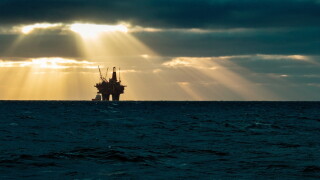
This paper identifies opportunities and risks associated with repurposing an offshore oil and gas platform for green hydrogen production. Various technical scenarios were investigated for the case study platform, and their profitability was determined using economic calculations. In addition, all the submodels were compared with standard decommissioning costs for reco…

This paper presents a flexible, highly cost- and energy-efficient method of gas separation and CO₂ capture from many different gas mixtures with a large range of CO₂ concentrations.
-
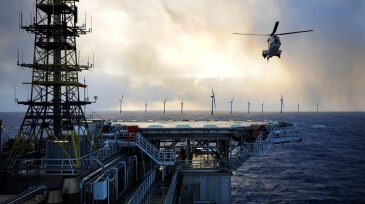
 Equinor and the Snorre and Gullfaks partners have made a final investment decision for the Hywind Tampen offshore wind farm development. By reducing the use of gas turbines, the project helps cut CO2 emissions by more than 200,000 tonnes/year.
 -
The Esox-1 well encountered 58 m of high-quality oil-bearing Miocene reservoirs and will be tied back to Tubular Bells production facilities.
-
The Orca-1 and Marsouin-1 wells have derisked up to 50 Tcf of gas initially in place from the Cenomanian and Albian plays in the BirAllah area, more than sufficient to support a world-scale LNG project, partner Kosmos Energy said.
-
Offshore facilities are typically powered from onsite gas turbines but efforts to become “carbon efficient” are pushing oil and gas companies toward an onshore alternative.
-
The Sidri 36 appraisal well confirmed the downdip westward extension of the Sidri 23 discovery announced last July by the Italian major.
-
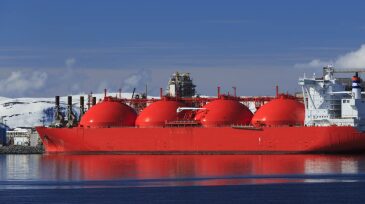
The deal sees ExxonMobil provide feed gas from its Point Thomson field to Qilak LNG’s proposed export project, which would use icebreaking carriers to export 4 mtpa of LNG to Asia directly from Alaska’s North Slope.
-
The International Association of Oil & Gas Producers-managed JIP 33 has issued specification S-170 for public review. The closing date for comments is 27 November.
-
Developing the facility of the future is a technological and infrastructural challenge, but the people behind the technology play just as critical of a role in actualizing complex, innovative asset designs. How will future facilities affect the way companies operate?
-
Risk-based inspection is based on sophisticated risk analysis which significantly decreases overheads and helps to avoid equipment failures or unnecessary shutdowns.
-
Kinder Morgan, the majority owner and operator of the Georgia export terminal, said the oft-delayed project should have all 10 trains running by the first half of next year.