Onshore/Offshore Facilities

The 2026 Upstream Scale Guidelines establish a common workflow for field measurements, scale modeling, and risk assessment to support more consistent operational decisions.

Shell has reached FID on LNG Canada Phase 2, a major expansion that will double the Kitimat facility’s LNG export capacity to 28 mtpa and strengthen long-term supply to growing Asian markets.

The long-term outlook analysis says a potential shift toward new construction could push 2026 production 3% above 2025 levels.
-
 The Petroleum Safety Authority Norway launched an investigation into an LNG leak at the Hammerfest LNG plant on 17 June.
 -
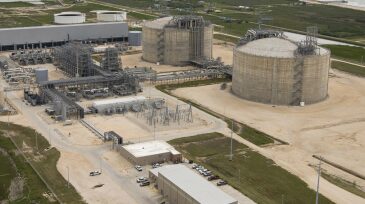
Cheniere Energy requested issuance of the feedstock permit from FERC by 29 June. The FID for Train 3, estimated at approximately $3 billion, was announced last month. Bechtel got the green light to proceed with EPC work, subcontracting with BHGE for the gas turbines to drive compressors.
-
A new report from GIIGNL shows increased liquefaction capacity in Australia and the US as the key drivers in LNG supply growth, while Asia has been the leader in global LNG import growth.
-
The federal agency now charged with overseeing cybersecurity for US pipelines is ill equipped to do the job, say two top regulators who want the role given to the Energy Department.
-
Since 9/11, no new rules or regulations have been promulgated to address pipeline or liquified natural gas facility security. Although the Transportation Security Administration recently released an updated version of its "Pipeline Security Guidelines," those guidelines remain advisory.
-
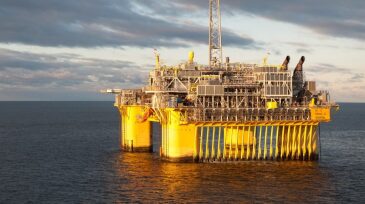
By transitioning from gas turbines to land-based electrical power for various platforms, the company hopes to reduce carbon dioxide emissions by more than 600,000 tonnes/year.
-
As oil production grows by millions of barrels in the Permian, so does the water. A report from Wood Mackenzie offers an estimate of the cost and who will be affected most.
-
The offshore gas pipeline will connect the gas markets of Finland and Estonia, enabling integration with the European Union’s common energy market
-
The JIP aims to bring to market a single-phase subsea boosting system that does not require barrier fluid or a mechanical seal.
-
An increasingly buzzy term tossed around at industry events, “digital twin” is leveraging data analytics, machine learning, and artificial intelligence to improve efficiencies from design to decommissioning.