Onshore/Offshore Facilities

This paper presents a flexible, highly cost- and energy-efficient method of gas separation and CO₂ capture from many different gas mixtures with a large range of CO₂ concentrations.

This work introduces a novel predictive methodology combining historical metocean data with real-time riser analysis for shallow water dynamically positioned rig operations.

This paper introduces channel stacking, a novel and efficient methodology designed to significantly improve optical gas imaging-based leak detection.
-
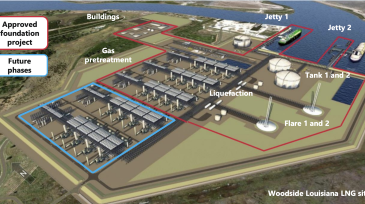
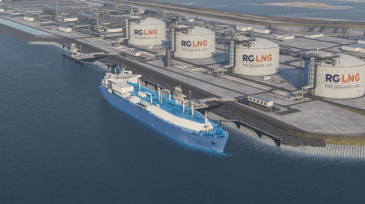
 First LNG at Tellurian’ asset known as Driftwood LNG before Woodside’s acquisition last year is expected in 2029.
 -
The UK North Sea Transition Authority has awarded the required permits for the East Irish Sea project, and the project has reached financial close. The carbon capture and storage project is expected to receive its first carbon dioxide in 2028.
-
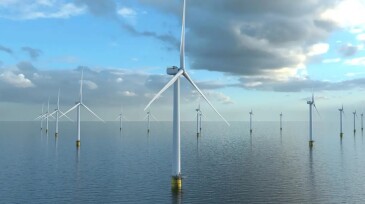
A US government order has stopped building activity aimed at harnessing wind energy offshore New York.
-
Hammerhead, the seventh planned project offshore Guyana, is expected to reach FID later this year and go on-stream in 2029.
-
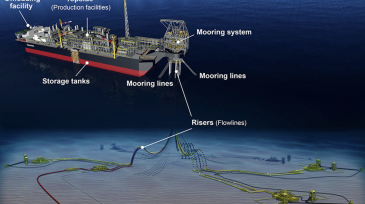
ExxonMobil and Guyana expect to approach 1 million B/D of oil as the ONE Guyana vessel reaches the Stabroek block.
-
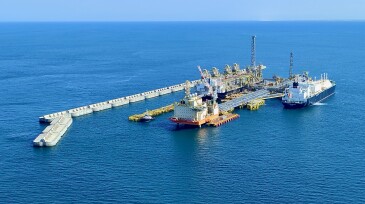
The offshore Mauritania and Senegal project’s initial phase will deliver around 2.4 mtpa of LNG once fully commissioned.
-
The French major will supply the Caribbean country with LNG supplies while agreeing to take supplies from future Texas project.
-
Stonepeak will pay $5.7 billion for 40% interest in the project due for FID later this year.
-
Terra Drone will support Aramco's operations and Saudi Arabia's technological and economic progress.
-
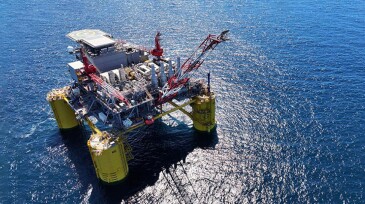
Offshore activity is expected to begin in 2027 with first oil from the 20K-psi project slated for 2028.