Onshore/Offshore Facilities

With confidence in subsea boosting performance growing, BP is incorporating pumping systems into both greenfield developments and brownfield expansions.

As the pace of new discoveries slows and high-quality prospects become harder to find, oil companies may need to rely more heavily on mature fields to maintain production and support future supply.

A shared digital mindset across subsurface, subsea, and drilling and wells is accelerating well planning at Vår Energi.
-
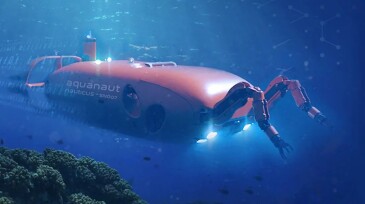
 A recently signed contract lines the company up to provide autonomous ocean robots for inspection of the oil giant’s subsea field developments in the Gulf of Mexico.
 -
Suriname's wait to become a significant oil producer may be nearing an end as the French supermajor begins early development studies.
-
High demand for offshore services makes for robust charter rates.
-
The Advanced Clean Energy Storage project in Utah involves two 4.5-million-bbl salt caverns that will store up to 100 metric tons of hydrogen per day.
-
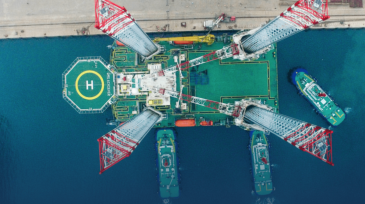
Work slated for Côte d’Ivoire and Italy includes new riser/pipelines and FSRU facilities.
-
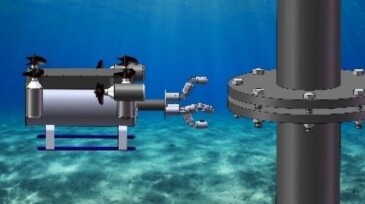
The technology now in development at UH consists of remotely operated vehicles equipped with multiple sensors, video cameras, and scanning sonars that can swim along a subsea pipeline to inspect flange bolts.
-
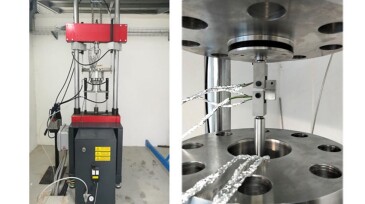
The authors’ work states that the qualification approach for offshore hydrogen pipeline systems should include material properties testing under various conditions.
-
This paper presents different geochemical approaches to assess the origin of produced gases and thermal maturity and evaluate the effect of adsorption on shale gas during production.
-
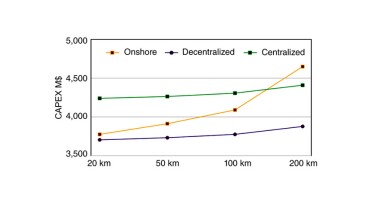
This paper is a summary of a study that covers through-life economics for producing green hydrogen from offshore fixed wind turbines.
-
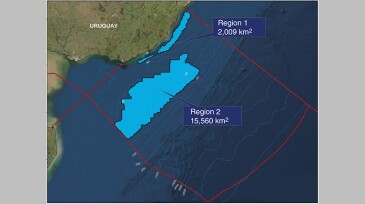
The authors of this paper present the results of an assessment of two regions in Uruguay suitable for bottom-fixed offshore wind technologies.