Onshore/Offshore Facilities
This paper identifies opportunities and risks associated with repurposing an offshore oil and gas platform for green hydrogen production. Various technical scenarios were investigated for the case study platform, and their profitability was determined using economic calculations. In addition, all the submodels were compared with standard decommissioning costs for reco…

This paper presents a flexible, highly cost- and energy-efficient method of gas separation and CO₂ capture from many different gas mixtures with a large range of CO₂ concentrations.

This work introduces a novel predictive methodology combining historical metocean data with real-time riser analysis for shallow water dynamically positioned rig operations.
-
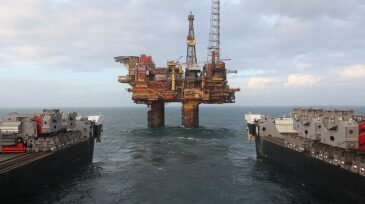
 Bravo is the second of four platforms to be decommissioned and removed from the Brent field, following Brent Delta in 2017. The field has produced approximately 3 billion boe since 1976.
 -
The $20-billion FID is the largest ever for a sub-Saharan oil and gas project. The project’s location on the African east coast puts it in optimal position to sell LNG to the lucrative Asian market.
-
The Japanese operator will submit a development plan to the Indonesian government within the next few weeks, with FID for the $20-billion project coming around 2022. Abadi LNG is projected to deliver 9.5 mtpa of LNG.
-
Phillips 66 and partners in two separate joint ventures are building the Red Oak and the Liberty pipeline systems to deliver a total of approximately 750,000 BOPD to the US Gulf Coast with startup of service in early 2021.
-
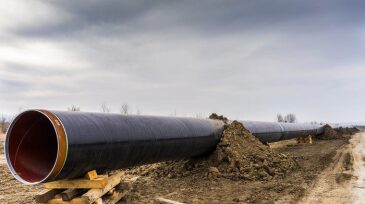
Approximately 90% of construction work has been completed on the pipeline, which is expected to transport up to 670,000 BOPD from the Permian Basin to the US Gulf Coast. Cactus II is one of several pipelines aimed at alleviating takeaway concerns in the Permian.
-
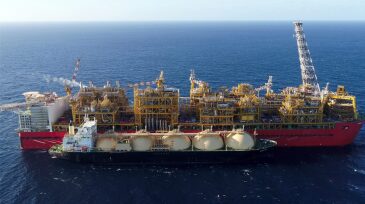
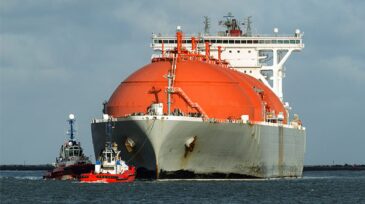
First cargo from the world’s largest floating LNG project comes in the midst of low LNG prices sparked by a global supply boost. Prelude is expected to produce 3.6 mtpa for Shell.
-
Exponential growth in LNG tank capacity, fueled by the introduction of LNG fuel in shipping sectors, indicates a possible shift in the fuel mix.
-
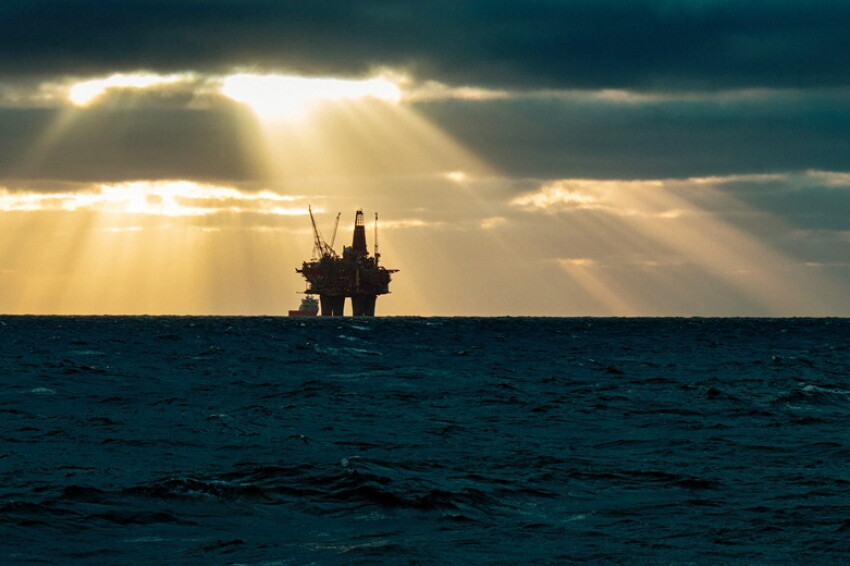
The company evacuated 276 people on board Statfjord A after the collision, which happened in connection with loading operations. No injuries were reported, and the total extent of the damage on the platform is being investigated.
-
Anadarko Petroleum selects JV companies to provide EPC for the onshore LNG development. Saipem scores the biggest contract in its history. Work will begin upon FID, expected this month.
-
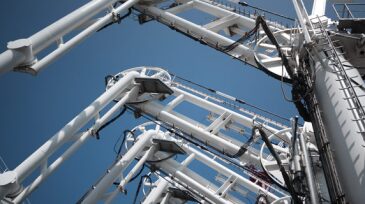
The criticality of above-water riser hull piping requires frequent inspections. Traditional manual inspection methods present safety and efficiency concerns, but work is being done to see if robotic technologies—such as drones and crawlers—can do the job as good as, or even better than, humans.