Onshore/Offshore Facilities

This paper presents an approach for safe, efficient, and cost-effective legacy well reabandonment.

This paper presents a flexible, highly cost- and energy-efficient method of gas separation and CO₂ capture from many different gas mixtures with a large range of CO₂ concentrations.

This work introduces a novel predictive methodology combining historical metocean data with real-time riser analysis for shallow water dynamically positioned rig operations.
-
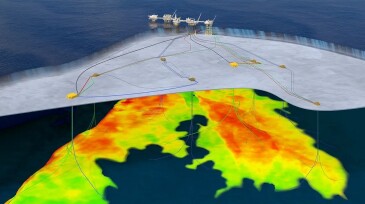
 Electricity produced onshore powers oil production at Johan Sverdrup holding CO₂ emissions at only 5% of the global average.
 -
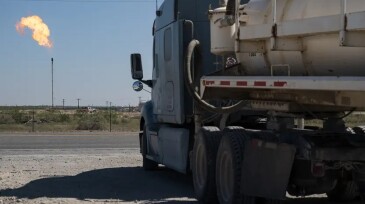
Texas lawmakers passed a suite of bills that officials said are crucial to combat losses in the state’s largest oil field.
-
This paper aims to describe the role of liquefied natural gas as a transitional energy source for automobile transportation in Nigeria.
-
The language of the well is conveyed through various parameters, including hook load, weight on bit, rotational speed, torque, pressure, and cuttings returns. The journey to understand this language has driven advancements in standardization, automation, technology, and science within planning and operations.
-
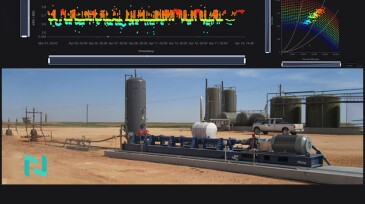
This article presents a results-driven case study from an ongoing collaboration between a midstream oil and gas company and Neuralix Inc.
-
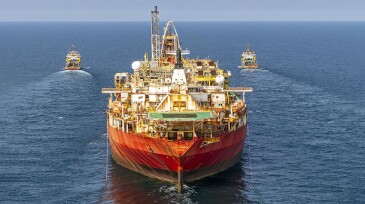
Shell became the first international company to operate producing fields offshore Brazil and the first to navigate the country’s complex and detailed decommissioning permitting process, which involved extensive environmental assessments, regulatory approvals, and coordinated stakeholder engagement.
-
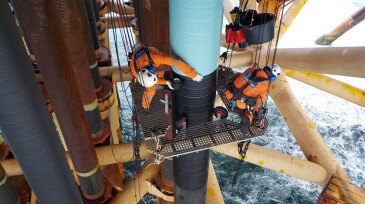
Successful in other applications, self-healing coatings could be the oil industry’s ticket to fighting corrosion and extending the life of steel.
-
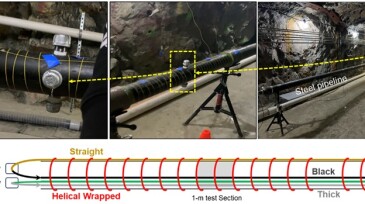
Unlike traditional inspection methods, distributed fiber-optic sensing offers continuous, real-time monitoring capabilities, allowing for early detection and response to potential leaks, which is especially crucial in remote or inaccessible locations.
-
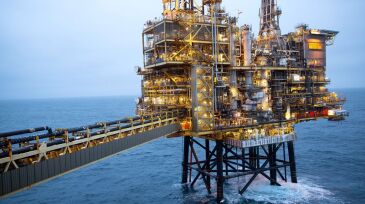
Equinor and Shell plan to launch the joint venture—initially announced in late 2024—by the end of 2025, pending regulatory approvals.
-
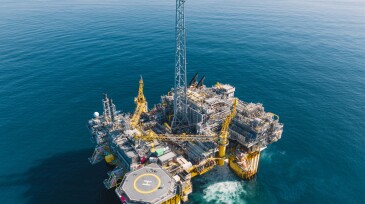
North Sea tieback to the Troll C platform could begin production by the end of 2029.