Onshore/Offshore Facilities

The 2026 Upstream Scale Guidelines establish a common workflow for field measurements, scale modeling, and risk assessment to support more consistent operational decisions.

Shell has reached FID on LNG Canada Phase 2, a major expansion that will double the Kitimat facility’s LNG export capacity to 28 mtpa and strengthen long-term supply to growing Asian markets.

The long-term outlook analysis says a potential shift toward new construction could push 2026 production 3% above 2025 levels.
-
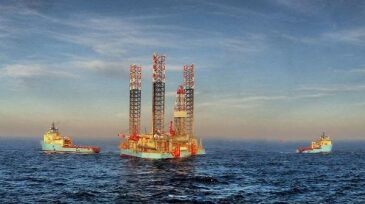
 Sustainable cost reductions through innovation and standardization will have more of a positive effect on the offshore sector than cyclical oil-price increases, an OTC panel of industry participants agreed.
 -
The joint venture will include work on P&A, towage of floating units, and removal of subsea infrastructure, with the ultimate goal of providing the full end-to-end process for decommissioning.
-
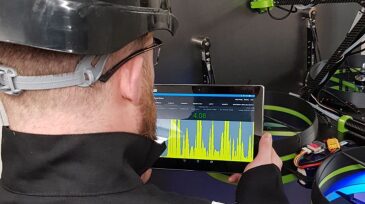
Advanced AUVs with early-stage technologies for live streaming, ultrasonic testing, and 3D laser scanning are set to enter inspection trials on North Sea facilities. The aim is to reduce facilities inspection costs by 50%.
-
TechnipFMC confirms the December shipment of LNG from its new facility in northern Russia, one of the largest integrated LNG projects in the world.
-
Subsea 7 completed the acquisition of Siem Offshore Contractors along with a cable-lay vessel and a support vessel.
-
We don’t include a structure like the Eiffel Tower with separators, pumps, and compressors on the top observation platform in an onshore development plan. And yet, how many jacket platforms are there around the world?
-
Aquabotix’s SwarmDiver technology marks a major milestone in the growing trend toward swarm-deployed underwater vehicles.
-
Operator or manufacturer’s reports and published papers are reviewed and a criterion is developed for subsea pump selection.
-
Subsea pumps are used for gas/liquid separation, subsea compression, and subsea boosting. Solutions aiming at cost reductions are crucial to make subsea processing projects feasible. A cost- and complexity-reduction solution for the subsea electrical power supply is a critical consideration.
-
Production from an offshore Angola field has been decreasing because of subsea pressure declines amid water-cut increases and limited gas compressor capacity. The development process leading to the selection of high-boosting multiphase pumps is described.