Onshore/Offshore Facilities

The global oil and gas industry is reimagining natural gas processing and handling in response to environmental pressures, economic realities, and technological opportunities. The predominant narrative is one of transition.

This paper describes the operator’s initiative to reduce greenhouse-gas emissions and recover additional hydrocarbon, monetizing it as sales gas, by integrating upstream and downstream gas facilities in a unified approach.

This paper highlights the effects of tax credits on business operations for midstream companies in the Permian Basin.
-
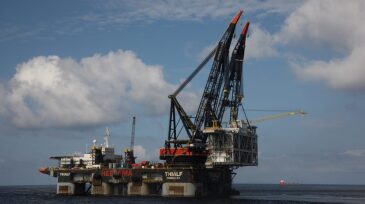
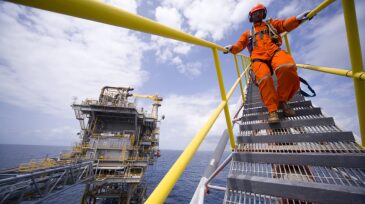
 Cassia C is BP Trinidad and Tobago's first offshore compression platform.
 -
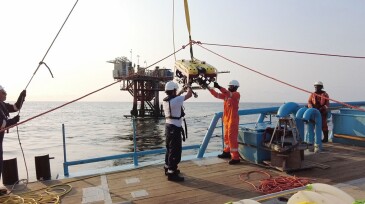
The Seaeye Falcon underwater robot is being used in the decommissioning and repurposing of an oil rig offshore Angola.
-
Pemex and New Fortress Energy partner up to develop the Lakach gas field.
-
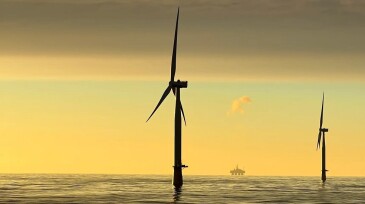
The power from the first turbine to come online will be used to help run the Gullfaks A platform in the North Sea. Seven of the 11 turbines in the field are expected to begin producing power within a year.
-
A network of more than 1,600 offshore facilities produces a significant portion of US domestic oil and gas. The facilities, which rely on technology to remotely monitor and control equipment, face a growing risk of cyberattacks.
-
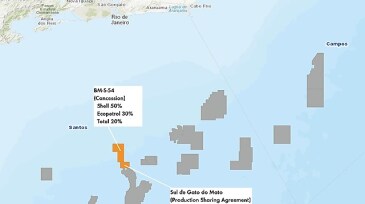
The supermajor is expected to put off green-lighting the presalt project for up to 2 years.
-
Louisiana-based Commonwealth LNG gets the green light, while Delfin LNG gets more time on the development clock.
-
The subsea partners secured a contract for the Cypre gas project offshore Trinidad and Tobago.
-
The collaboration seeks to jointly develop onshore LNG modules with capacities between 1 and 2 mtpa.
-
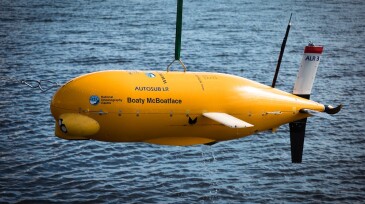
A recent mission that saw the robot submarine Autosub Long Range, better known as "Boaty McBoatface," explore and visually map end-of-life oil fields has been hailed as a success.