Onshore/Offshore Facilities
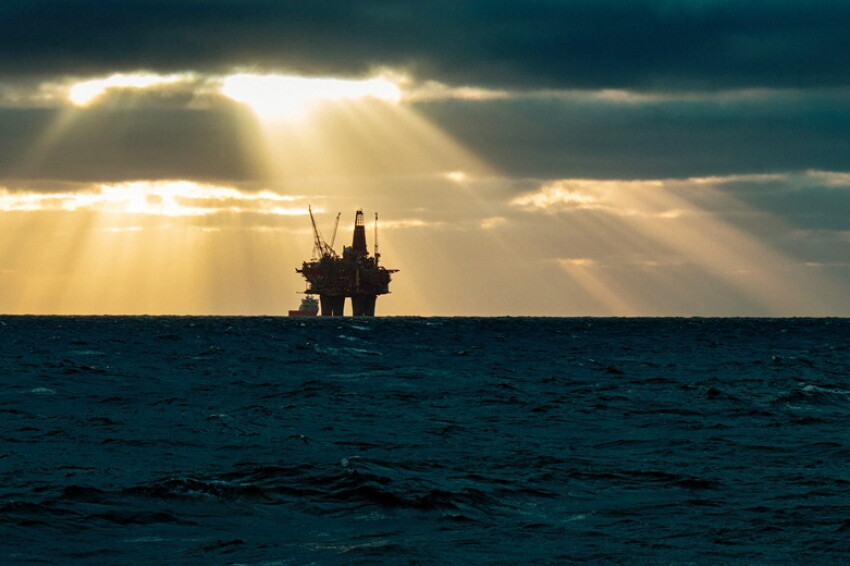
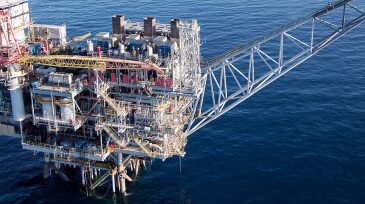
This paper identifies opportunities and risks associated with repurposing an offshore oil and gas platform for green hydrogen production. Various technical scenarios were investigated for the case study platform, and their profitability was determined using economic calculations. In addition, all the submodels were compared with standard decommissioning costs for reco…

This paper presents a flexible, highly cost- and energy-efficient method of gas separation and CO₂ capture from many different gas mixtures with a large range of CO₂ concentrations.

This work introduces a novel predictive methodology combining historical metocean data with real-time riser analysis for shallow water dynamically positioned rig operations.
-
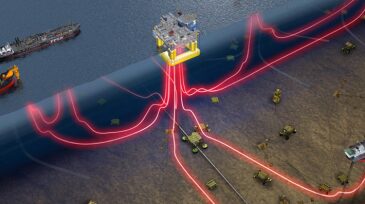
 A new enabling technology known as electrically heat-traced flowline (EHTF) will be used to enable system startup and shutdown and to maintain production fluids outside of the hydrate envelope during steady-state operation.
 -
A joint-venture agreement gives Solaris control of Concho’s produced-water infrastructure in New Mexico, and Lagoon Water Solutions closed on a deal with Continental in Oklahoma.
-
Approximately $200 billion in projects worldwide are racing to be approved over the next 2 years. The race is not just to make FIDs on projects, but also to enter FEED work to lock in contractors before others do.
-
The Neptune-operated project is on track to start drilling later this year, with first oil scheduled for the end of 2020. The Norwegian North Sea field is expected to produce 30,000 BOE/D at its peak.
-
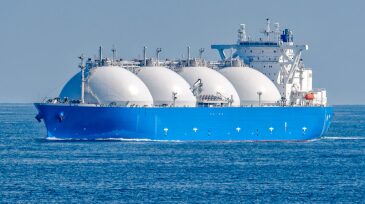
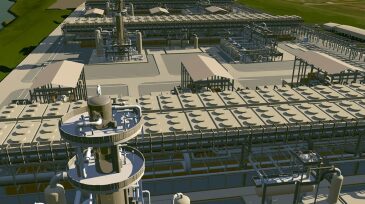
The facility would enable exports from one of the world’s largest gas discoveries to new markets, primarily in Europe and Asia. The Leviathan partners have signed deals to export gas to Middle Eastern countries such as Egypt and Jordan.
-
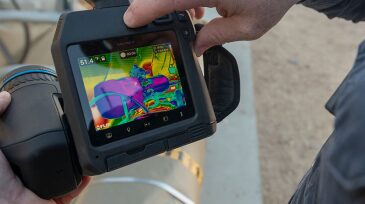
Thermal imaging helps operators maintain regulatory compliance on methane-emissions requirements. Optical gas imaging technology may be an answer in allowing for faster, more efficient inspections, but there are hurdles to its adoption. How can its widespread use become a reality?
-
Concern has been growing in the oil and gas industry about the high frequency of mooring line failures. While physical tension sensors can be difficult and costly to maintain, machine learning has shown to be a more-accurate and less-costly method for structural integrity assessment.
-
Production from the Vaca Muerta now accounts for 23% of Argentina’s natural gas output. With only 4% of the shale play’s acreage in development, the US EIA says the country is in position to boost LNG exports in the coming years.
-
One of the company’s pipelay and construction vessels will install rigid and flexible pipelines for Equinor’s Peregrino Phase 2 project, adding an estimated 273 million bbl of recoverable oil to the field.
-
The introduction of feed gas into Train 1 of the natural gas liquefaction and LNG export facility marks the transition from construction to startup. Upon startup, Freeport LNG will become the first world-scale electric LNG liquefaction plant in North America.