Production

The 2026 Upstream Scale Guidelines establish a common workflow for field measurements, scale modeling, and risk assessment to support more consistent operational decisions.

The long-term outlook analysis says a potential shift toward new construction could push 2026 production 3% above 2025 levels.

Lower operating expenditures and a changing asset mix helped UKCS operators cut average production costs by 9% year over year, despite relatively flat production levels, according to the NSTA.
-
 The effects of aging and temperature on the performance of one-part “just add water” granite based geopolymers are studied for application in well cementing and abandonment. Further studied is the role of zinc as a strength enhancer over a long curing period.
 -
Chevron has some new ideas on how to get more oil for less cost out of shale wells in their early years.
-
Bakken oil production surprised on the upside showing it can grow, but an encore is not expected this year.
-
The 100 million BOE-plus find will be tied back to the Heidelberg spar.
-
Angola leaves OPEC after 16 years to leverage its oil resources for economic growth.
-
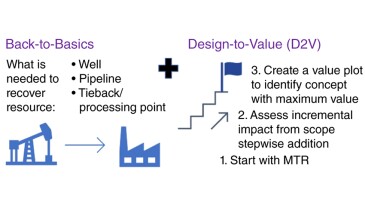
This paper describes a revamped methodology for field-development strategy formulation, particularly for marginal hydrocarbon resources, by shifting the mindset toward designing with an aim to value in order to improve project viability.
-
This paper adds to ongoing research in hydrogen storage, focusing on efficient extraction of hydrogen to be stored potentially in depleted unconventional formations.
-
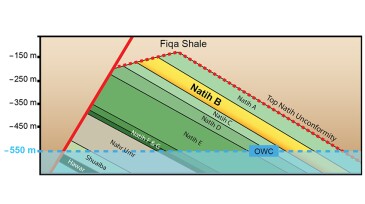
The authors of this paper develop an integrated technical approach that can be used to unlock one of the largest undeveloped resources in an operator’s portfolio.
-
Once considered as being on the brink of abandonment, aging reservoirs are proving to be valuable assets as innovative hydrocarbon recovery techniques and re-envisioning of these fields for decarbonization opportunities are transforming them into reservoirs of opportunity.
-
The “Western Haynesville” boasts big gas IPs with potential running room.