Production

The 2026 Upstream Scale Guidelines establish a common workflow for field measurements, scale modeling, and risk assessment to support more consistent operational decisions.

The long-term outlook analysis says a potential shift toward new construction could push 2026 production 3% above 2025 levels.

Lower operating expenditures and a changing asset mix helped UKCS operators cut average production costs by 9% year over year, despite relatively flat production levels, according to the NSTA.
-
 The paper assesses the feasibility of using a genetic-algorithm technique to optimize allocation of continuous gas lift injection rate in a network system of a Middle Eastern oil field.
 -
What is the one thing you can do that will provide the greatest benefit to your artificial lift operations? For me, the answer to that question is simple: focus on surveillance. Surveillance is the foundation of any artificial lift optimization program. Effective surveillance practices allow you to keep track of how your system is performing against predefined targets…
-
The paper describes a project automating the progressing-cavity-pump well-modeling process wherein models are built and sustained automatically in a well-management system for all active PCP wells.
-
The US Energy Information Administration said the US, Qatar, and Russia fed well over half of Europe’s supply of LNG last year.
-
The acquisition adds well completions services for conventional and unconventional reservoirs.
-
Company will add Molykote lubricants, designed for oilfield use, to its slate of materials offerings.
-
Oil production is reaching new levels in the Permian Basin and it has created some uncertainty about where all the associated gas will go.
-
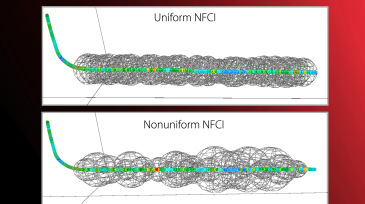
SponsoredA novel metric allows operators to chart a new course to maximizing production. Gain greater insight into flow resistance in the near-wellbore region of a fractured well.
-
The trend toward drilling longer horizontal wells is growing with lateral lengths of 3 miles reached.
-
The alliance ratified another modest daily production increase of 400,000 barrels.