Production
This paper proposes a novel, real-time pump failure prediction method using machine learning with scaled load ratio to accurately predict pump failures using only surface pump load data.

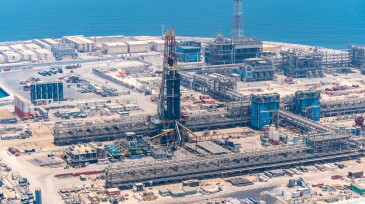
Five agreements target more than 11 Tcf of offshore gas and include flare-reduction technology.

Disputes over tanker fees and the ongoing military operation in Lebanon represent potential fault lines for the tentative peace deal.
-
 ADNOC is hiring more jackup drilling rigs to boost offshore production of its more carbon-friendly brand of crude.
 -
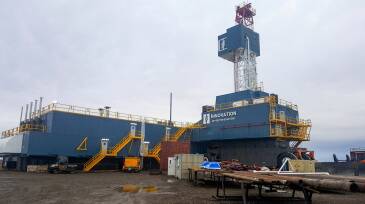
The future of the heavy-oil business in Alaska looks more promising than ever after a 2-year pilot delivers technical and economic success.
-
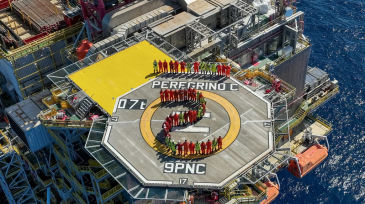
Equinor’s COVID-19-delayed Peregrino C production platform finally produces first oil off the coast of Brazil.
-
SponsoredBy revealing details at the perforation-level, the application of video-based analytics enables operators detect, understand, and effectively manage production issues at a much earlier stage, leading to more decisive action and significant economic advantage.
-
In this first part of a two-part series, we look at how the artificial-lift sector has adapted to producing unconventional resources. The second part of the series to publish in November will crack open the lift toolbox to take a deeper look at the techniques and technologies under development or new to the market.
-
The paper presents successful field tests designed to decrease electrical-submersible-pump cooling rates by inducing controlled deadheads rather than shutting down the pumps.
-
The authors of this paper develop a model that can predict well-risk level and provide a method to convert associated failure risk of each element in the well envelope into a tangible value.
-
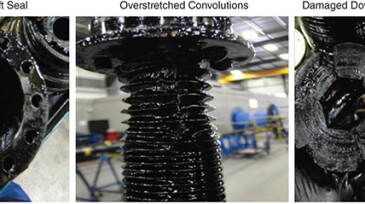
The paper presents results of single-phase and multiphase electrical-submersible-pump tests as well as operation data, lessons learned, and failure examples gathered over 10 years of operation in a highly viscous offshore oilfield.
-
SponsoredUse AI and ML to automate workflows and analyze data within minutes. Employ a fit-for-basin approach designed for US-centric workflows.
-
Injecting gas plus water proved more effective and less costly than gas-only injection in the Bakken.