Production

Unlike traditional AI approaches that rely primarily on historical data, physics-based AI integrates physical laws, engineering expertise, and operational constraints directly into the learning process. Three recent SPE papers illustrate how this paradigm is transforming the industry through intelligent condition monitoring, virtual sensing, and autonomous production …

This research focuses on combining physics-based expert rules with machine learning to improve the detection of failure-related events in electrical submersible pumps.

A combination of physics principles and machine-learning techniques is used in this work to develop a virtual flowmeter for oil-production optimization in electrical-submersible-pump-lifted oil wells, resulting in reliable generalization.
-
 The acquisition adds well completions services for conventional and unconventional reservoirs.
 -
Company will add Molykote lubricants, designed for oilfield use, to its slate of materials offerings.
-
Oil production is reaching new levels in the Permian Basin and it has created some uncertainty about where all the associated gas will go.
-
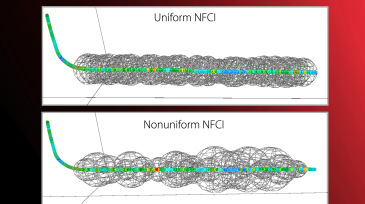
SponsoredA novel metric allows operators to chart a new course to maximizing production. Gain greater insight into flow resistance in the near-wellbore region of a fractured well.
-
The trend toward drilling longer horizontal wells is growing with lateral lengths of 3 miles reached.
-
The alliance ratified another modest daily production increase of 400,000 barrels.
-
When water and metal meet, you get corrosion. You also get a good dose of creative engineering and innovation.
-
This selection of papers will familiarize facilities engineers with a variety of topics so they are more prepared for what 2022 may bring.
-
Oil production in the US is resurging and poised to refute some skeptics who believed domestic output peaked just prior to the COVID-19 pandemic.
-
New projects coming on line throughout the year will vault the nation ahead of Australia and Qatar.