R&D/innovation

The Houston-based developer of AI-powered submersible robotics earned the Best in Show Award and a $10,000 prize.

Robotic and autonomous systems are transforming energy operations, but their full value emerges only when paired with data science, engineering analytics, and AI/ML to turn data into decisions. The transition of the SPE Robotic & Autonomous Systems Technical Section into the SPE Data Science & Engineering Analytics Technical Section helps bridge this critical technolo…

The Seismos full-scale research center opens to industry, universities, and national laboratories, advancing acoustic sensing across upstream energy, pipelines, critical infrastructure, and national security.
-
 The Technology Roadmap identifies R&D opportunities that will allow the US to be the leading producer of oil and gas into the future. The importance of technology transfer and time to commercialization is discussed.
 -
R&D is essential for the industry, regardless of the current oil price, and past down markets have spawned some key technology advances, ExxonMobil researcher Erika Biediger told the SPE Gulf Coast Section R&D study group recently.
-
The president of Chevron Technology Ventures discussed how startup companies can fill the gaps in a rapidly changing technological ecosystem, and Chevron's mechanisms to understand the role startups can play in its operations.
-
Veros Systems took top honors at a competition involving energy startups.
-
SPE and the Rice Alliance for Technology and Entrepreneurship have partnered to host a competition at ATCE in which emerging technology companies in the energy sector vie for partnerships and prize money.
-
Emerging technologies from medical science and the aerospace industry could have a disruptive impact on oil and gas operations. A panel of scientists looked into these technologies and discussed their potential role in the industry.
-
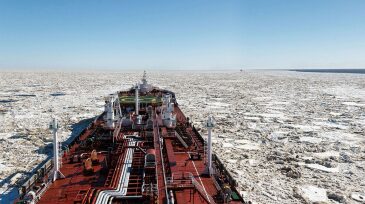
Rutter, Statoil Canada, and the Government of Newfoundland and Labrador completed a collaborative research and development (R&D) project aimed at improving offshore oil and gas operations in harsh environments with ice conditions.
-
Anadarko’s CEO and a company board member who heads a venture-backed software developer for artificial intelligence (AI) discuss the key role that AI will play in the oil and gas industry’s future.
-
Halliburton and Microsoft believe that by working together they can step up the pace of digital transformation across the E&P industry.
-
A joint industry-academic research initiative is expanding the knowledge of subsurface microbe populations and their interaction with drilling and production operations.