R&D/innovation

A shared digital mindset across subsurface, subsea, and drilling and wells is accelerating well planning at Vår Energi.

With funding opportunities improving, developers and researchers are focused on shortening project learning cycles and reducing uncertainty to attract more capital and speed deployment.

The US Department of Energy has awarded more than $99 million to 21 projects that will advance geothermal development through field-scale testing of next-generation technologies and exploration drilling programs across the US.
-
 SPE and the Rice Alliance for Technology and Entrepreneurship have partnered to host a competition at ATCE in which emerging technology companies in the energy sector vie for partnerships and prize money.
 -
Emerging technologies from medical science and the aerospace industry could have a disruptive impact on oil and gas operations. A panel of scientists looked into these technologies and discussed their potential role in the industry.
-
Rutter, Statoil Canada, and the Government of Newfoundland and Labrador completed a collaborative research and development (R&D) project aimed at improving offshore oil and gas operations in harsh environments with ice conditions.
-
Anadarko’s CEO and a company board member who heads a venture-backed software developer for artificial intelligence (AI) discuss the key role that AI will play in the oil and gas industry’s future.
-
Halliburton and Microsoft believe that by working together they can step up the pace of digital transformation across the E&P industry.
-
A joint industry-academic research initiative is expanding the knowledge of subsurface microbe populations and their interaction with drilling and production operations.
-
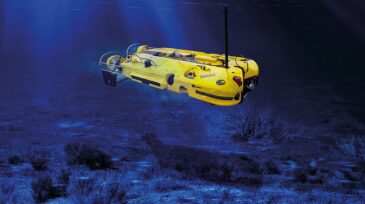
WiSub will lead a consortium with Statoil, Kongsberg, Saab, and other companies and universities to develop a standardized interface for AUV docking with subsea structures, as well as bi-directional power transfer to help charge sensor networks.
-
For startups in the upstream sector, knowing how to navigate through a technology's Minimum Viable Product stage is critical, but not always straight forward.
-
A new material under development is highly effective at sieving carbon dioxide from natural gas streams and is also cheap and easy to make, according to researchers.
-
When technology startups and oil and gas companies finally agree to run a pilot test, there are a few things both sides of the table should know before they move forward.