Reservoir

This paper presents a novel reservoir engineering/reservoir simulation approach—a data-driven interwell-connectivity model augmented as a digital twin—to predict reservoir dynamics and optimize operations in the Changqing oil field of China.

This case study describes how edge computing and industrial internet of things platforms were deployed to automate and optimize production operations across four distinct basins.

Output is rising fast in the South American shale play and putting Argentina on a course to soon reach 1 million B/D.
-
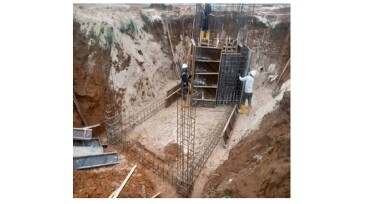
 This paper reviews lean construction management processes adopted in the Apani Field development, from facility design to construction management and drilling-location preparation.
 -
The transaction adds 267,000 net acres and nearly 140,000 BOE/D from Vital Energy, lifting Crescent into the top 10 largest US independents.
-
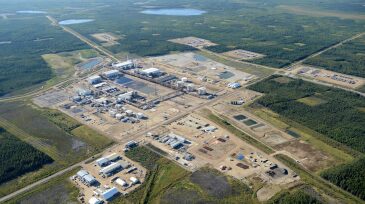
The latest acquisition strengthens Cenovus Energy’s position as Canada’s largest SAGD producer.
-
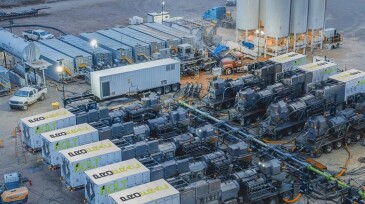
The collaboration has announced Closed Loop Fracturing, which combines real-time subsurface data with automated surface control.
-
Shale’s slowdown leaves room for OPEC+ gains as tensions rise between the US and India over Russian oil imports.
-
The number of high-impact wells drilled across the globe this year are expected to be on trend with the most recent 5-year average.
-
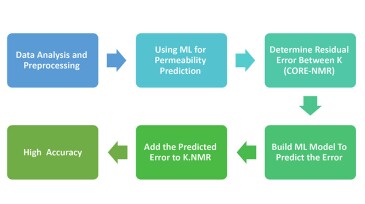
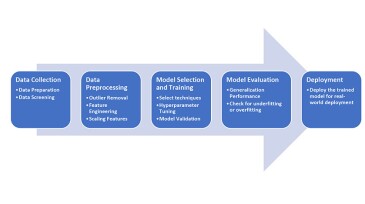
This study integrates physics-based constraints into machine-learning models, thereby improving their predictive accuracy and robustness.
-
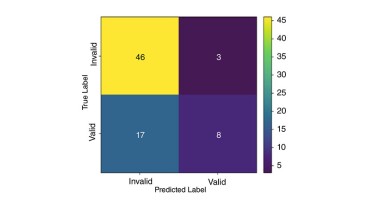
This paper introduces a machine-learning approach that integrates well-logging data to enhance depth selection, thereby increasing the likelihood of obtaining accurate and valuable formation-pressure results.
-
This study aims to use machine-learning techniques to predict well logs by analyzing mud-log and logging-while-drilling data.
-
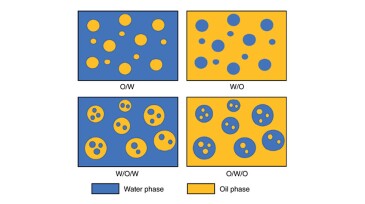
This study presents the development of a novel modeling tool designed to predict condensate emulsions, focusing on key factors causing emulsions such as pH, solid content, asphaltene concentration, droplet size, and organic acids.