Reservoir

As Egypt’s largest oil and gas investor, Eni is ramping up its 2026–2027 drilling campaign with new investments cross the Mediterranean offshore, Nile Delta, Western Desert, and offshore Sinai to strengthen the country’s role as a regional gas and LNG export hub.

The industry is no longer short of measurements; the real challenge is converting them into timely reservoir decisions that protect value. That challenge is becoming more urgent as the industry depends increasingly on mature fields and existing infrastructure. The selected papers show how this need is being addressed across different producing regions.

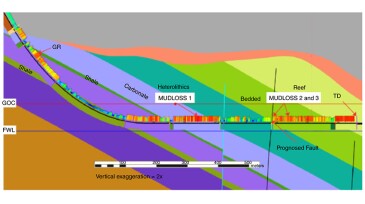
This paper presents a case study from a mature field redevelopment project where pulsed neutron logging was integrated with advanced reservoir modeling to improve the understanding of fluid-contact dynamics and optimize new horizontal well placement.
-
 This study compares water-based chemicals including surfactants, nanoparticles, and ketones that can be used for enhancing the oil recovery of shale-oil reservoirs.
 -
Operators from across the region met in Muscat to share how lessons from pilot programs are shaping cost, scale, and technology priorities across the region.
-
A collaboration between a large independent and a technology developer used low-cost interventions to optimize production from unconventional wells.
-
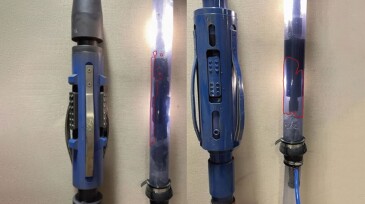
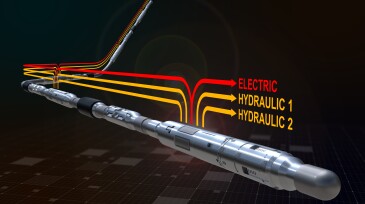
SponsoredSince 1997, intelligent completions have transformed reservoir management, but adoption remains limited due to perceived complexity. The industry reached a pivotal moment with the development of next-generation technologies that address longstanding challenges and offer simpler operation solutions.
-
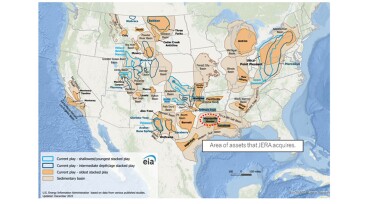
JERA joins Tokyo Gas as a player in the Haynesville as Japan targets the US Gulf Coast as key to building global LNG supply chains.
-
ExxonMobil joins BP, Chevron, and TotalEnergies in greenlighting new investment projects in Iraq in 2025 as the government targets oil production of 6 million B/D by 2029.
-
The technology to desalinate and reuse produced water for cooling AI data centers in the Permian Basin exists, but addressing cost challenges remains critical to widespread adoption.
-
This paper discusses cases from the North Sea and offshore California in which high-fidelity pressure and dynamics measurements, combined with high-speed telemetry, helped overcome complex geotechnical challenges.
-
This paper describes an alternative lower-completion concept for developing Lower Wilcox reservoirs referred to as high-angle multifractured well design.
-
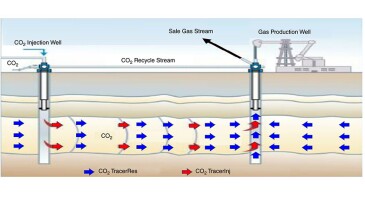
This study explores the feasibility of implementing in-situ carbon dioxide recycling for sequestration as a fit-for-purpose developmental strategy for a Malaysian gas field characterized by an initial carbon-dioxide content of approximately 60%.