Reservoir

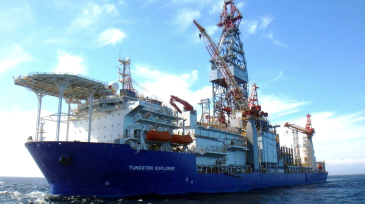
As Egypt’s largest oil and gas investor, Eni is ramping up its 2026–2027 drilling campaign with new investments cross the Mediterranean offshore, Nile Delta, Western Desert, and offshore Sinai to strengthen the country’s role as a regional gas and LNG export hub.

The industry is no longer short of measurements; the real challenge is converting them into timely reservoir decisions that protect value. That challenge is becoming more urgent as the industry depends increasingly on mature fields and existing infrastructure. The selected papers show how this need is being addressed across different producing regions.

This paper presents a case study from a mature field redevelopment project where pulsed neutron logging was integrated with advanced reservoir modeling to improve the understanding of fluid-contact dynamics and optimize new horizontal well placement.
-
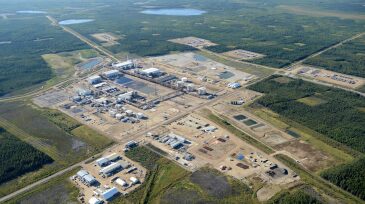
 The latest acquisition strengthens Cenovus Energy’s position as Canada’s largest SAGD producer.
 -
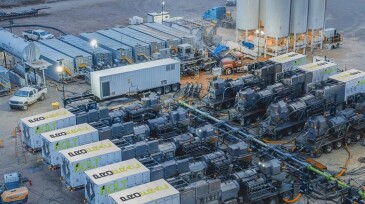
The collaboration has announced Closed Loop Fracturing, which combines real-time subsurface data with automated surface control.
-
Shale’s slowdown leaves room for OPEC+ gains as tensions rise between the US and India over Russian oil imports.
-
The number of high-impact wells drilled across the globe this year are expected to be on trend with the most recent 5-year average.
-
Bad vibes are being addressed by contractors as operators push to go faster, deeper, and longer with unconventional wells.
-
A New Texas Two-Step: Why One Eagle Ford Producer Is Using Hydrocarbons for Well Stimulation and EORBlackBrush Oil & Gas tells JPT about its use of natural gas liquids and condensate to increase oil recovery in horizontal shale wells.
-
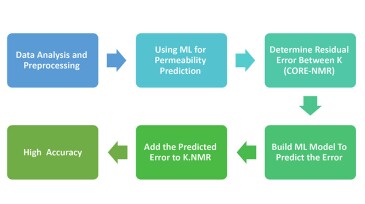
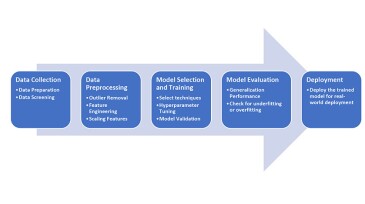
This study integrates physics-based constraints into machine-learning models, thereby improving their predictive accuracy and robustness.
-
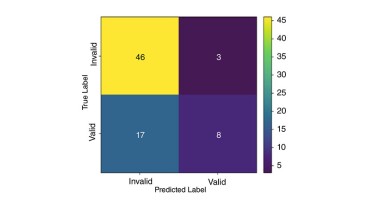
This paper introduces a machine-learning approach that integrates well-logging data to enhance depth selection, thereby increasing the likelihood of obtaining accurate and valuable formation-pressure results.
-
This study aims to use machine-learning techniques to predict well logs by analyzing mud-log and logging-while-drilling data.
-
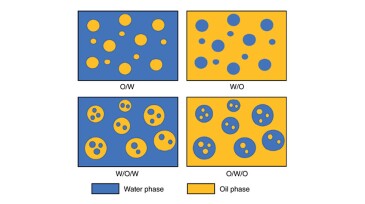
This study presents the development of a novel modeling tool designed to predict condensate emulsions, focusing on key factors causing emulsions such as pH, solid content, asphaltene concentration, droplet size, and organic acids.