Robotics/unmanned systems

From AI-enabled walking rigs to subsea drones and autonomous inspection robots, robotics is rapidly moving from pilot projects to field deployment. The technology promises not only greater efficiency but also a fundamental shift in how the industry approaches safety and asset management.
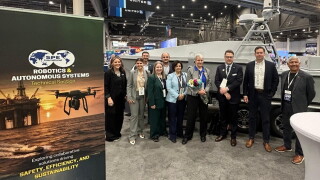
This article from the SPE Robotics and Autonomous Systems Technical Section (RASTS) explores the insights shared at the recent Offshore Technology Conference (OTC) in Houston about autonomous systems and their role in the industry's future.
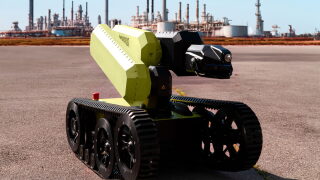
The deployment of a new heavy-duty robotic system aims to reduce workforce exposure to high-risk areas while improving detection of potential leaks.
-
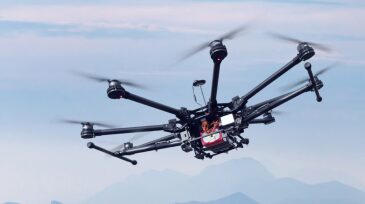
 As drones become a more significant part of energy projects, the guide outlines the steps operators should take in assessing their capabilities to run a drone program and the elements such programs should consider, including safety and regulatory concerns.
 -
The American Petroleum Institute announced the publication of its Guide for Developing an Unmanned Aircraft Systems Program, which will help ensure worker and operational safety as the industry introduces drones in its operations.
-
Advances in robotics can revolutionize the way maintenance, inspection, and testing is performed, making operations safer by reducing exposure of personnel to hazards. This paper analyzes the causes of slow industry adoption of robotic technologies and presents a roadmap for accelerated adoption.
-
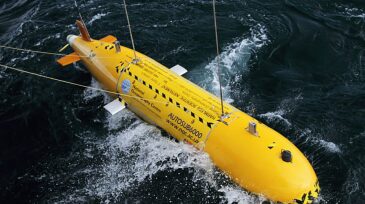
Robots may not be ready to take over the world just yet, but they are making great strides in the offshore industry. A technical session at this year’s Offshore Technology Conference presented some of the advances, including untethered ROVs and subsea broadband communications.
-
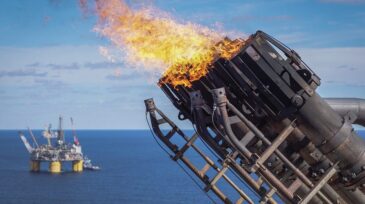
During the last decade, the use of drones for industrial asset inspections has grown significantly. The ability to inspect in-service flares can eliminate millions of dollars of operational expenditure and mitigate safety risks presented by traditional access methods.
-
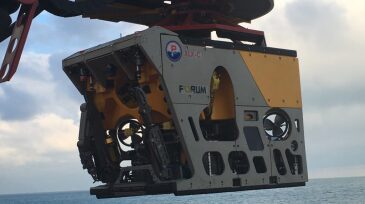
Forum Subsea Technologies has secured orders from DOF Subsea to supply three of its Ultra Compact Perry XLX-C work-class remotely operated vehicles (ROVs). DOF Subsea will deploy the vehicles onto three of its ROV support vessels for recently awarded projects in Brazil.
-
Called Eelume, the underwater drone will perform subsea inspection, maintenance, and repair work.
-
Robots have been a part of industrial production for decades, but the interface between humans and robots has changed as automation technologies increased in complexity, scope, and scale. Once a novelty, collaborative robots are projected to become a significant element of the automation landscape.
-
Scientists at the National Oceanographic Centre have released a review of how marine robotic capabilities can support the environmental monitoring needed for decommissioning oil and gas installations.
-
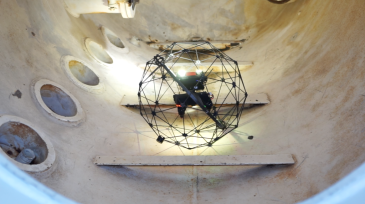
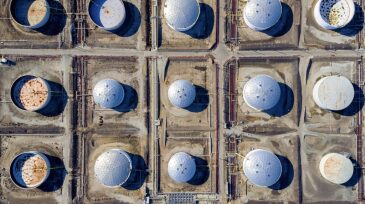
The need to optimize tank turnaround schedules is as great as it has ever been within the midstream sector, but traditional human-based tank inspections often cut into uptime while introducing safety risks. New robotic applications aim to alleviate these issues.