Safety

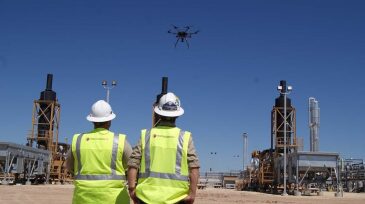
Shell has demonstrated drone-in-a-box operations from its Mars floating production unit, becoming the first operator in the region to secure FAA approval for self-approved offshore beyond-visual-line-of-sight flights. JPT Senior Technology Editor Jennifer Pallanich visited Shell Technology Center Houston to see the system in action.

SPE’s newly renamed Safety Technical Section expands the reach of human factors by integrating safety, risk management, and system resilience expertise while preserving dedicated leadership and technical focus.

As drilling operations become increasingly digital, computer vision is emerging as a continuous safety layer that complements, not replaces, established safety practices. The challenge is no longer whether artificial intelligence can detect hazards, but how operators should deploy, integrate, and govern these systems to improve safety without adding operational comple…
-
 Safety champions of the North Sea have been recognized at the 2019 Offshore Safety Awards in Aberdeen for striving to improve safety across offshore operations on the UK continental shelf.
 -
Data submitted for the organization's annual safety performance indicators report recorded an 8% drop in the fatal accident rate and a decrease in fatalities from 33 in 2017 to 31 in 2018. This was against a background of a 2% increase in work hours reported.
-
This paper presents one company’s experience developing sound technical specifications for prefabricated temporary safe refuges (TSRs). It also details the specifications and presents their implementation and the detailed studies conducted on cost-effective conversions of existing buildings to TSRs.
-
Systems that reward for low or zero incidents may be to blame.
-
New technologies present both challenges and opportunities for keeping oil and gas workers safe. In two panel discussions at the latest Offshore Technology Conference, safety experts throughout the industry debated how to move forward.
-
Vehicle crash data reported throughout the industry from state and federal agencies as well as independent sources show that speed and seatbelt use are the two biggest contributing factors that lead to oilfield-related fatalities.
-
Drones have entered the oil and gas domain as a more comprehensive method of inspection—providing not only a flexible and cost-effective way to conduct inspections but also a data-intensive structure for inspecting assets in a nondestructive manner.
-
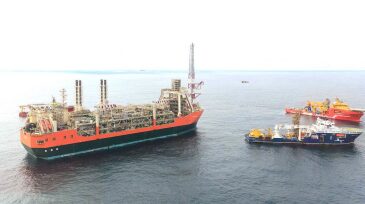
The Health and Safety Executive, a UK safety authority, has served BP with an improvement notice regarding its training for lifeboat evacuation on the Glen Lyon floating production vessel, west of Shetland.
-
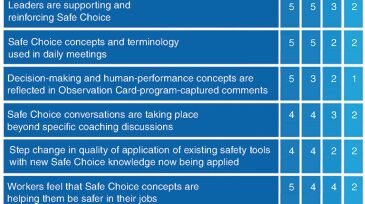
This paper discusses ExxonMobil’s focus on the next phase of its safety journey through advancement of individual awareness and decision making to help drive breakthroughs in the operator’s vision of safety.
-
This paper provides an overview of the company’s journey toward preventing significant process-safety incidents. Each step involved in this journey plays a key part. By focusing the improvement of the process on individual steps, the overall learning process has improved significantly.