Safety

Shell has demonstrated drone-in-a-box operations from its Mars floating production unit, becoming the first operator in the region to secure FAA approval for self-approved offshore beyond-visual-line-of-sight flights. JPT Senior Technology Editor Jennifer Pallanich visited Shell Technology Center Houston to see the system in action.

SPE’s newly renamed Safety Technical Section expands the reach of human factors by integrating safety, risk management, and system resilience expertise while preserving dedicated leadership and technical focus.

As drilling operations become increasingly digital, computer vision is emerging as a continuous safety layer that complements, not replaces, established safety practices. The challenge is no longer whether artificial intelligence can detect hazards, but how operators should deploy, integrate, and govern these systems to improve safety without adding operational comple…
-
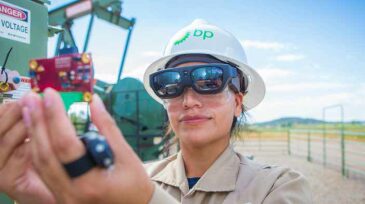
 The Israeli company has developed augmented-reality solutions that enable field technicians in energy and other industries to avert disasters such as BP's Gulf of Mexico oil spill.
 -
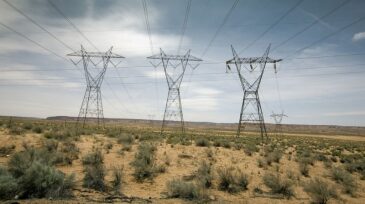
In a new troubling escalation, hackers behind at least two potentially fatal intrusions on industrial facilities have expanded their activities to probing dozens of power grids in the US and elsewhere, researchers with security firm Dragos reported.
-
Pennsylvania Gov. Tom Wolf has asked the state Department of Health to determine how best to spur additional academic and science-based studies of the potential public health effects of shale gas development in the state.
-
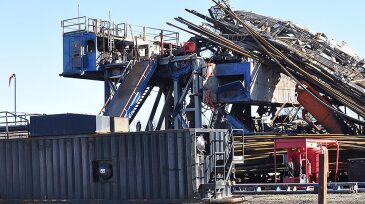
Federal safety regulators, state oil and gas authorities, and the energy industry need to close regulatory gaps that contributed to the worst oil drilling accident in nearly a decade, the board said in an unprecedented report.
-
The Bureau of Safety and Environmental Enforcement is launching a safety initiative to bring critical information directly to offshore workers on the outer continental shelf. The BSEE!Safe program uses text messages to send links to its published Safety Alerts and Bulletins.
-
Drones are becoming an important tool for energy companies looking to improve on-site safety and operational efficiencies, and the industry is looking for the best way to maximize their value. What are some the challenges in getting these programs off the ground?
-
Although OSHA does not have a specific standard that covers working in hot environments, the Occupational Safety and Health Act requires places of employment that are "free from recognizable hazards that are causing or likely to cause death or serious harm." This includes heat-related hazards.
-
Obstetrics are disappearing from rural counties across America, but not in the oil patch. In McKenzie County, North Dakota, Whiting Oil and Gas has donated to build a new wing of the McKenzie County Health Care Center devoted to labor and delivery.
-
Members of the workforce, especially those in industries that require manual labor, are becoming increasingly concerned about injury and fatality while on the job.
-
The criticality of above-water riser hull piping requires frequent inspections. Traditional manual inspection methods present safety and efficiency concerns, but work is being done to see if robotic technologies—such as drones and crawlers—can do the job as good as, or even better than, humans.