Safety

Shell has demonstrated drone-in-a-box operations from its Mars floating production unit, becoming the first operator in the region to secure FAA approval for self-approved offshore beyond-visual-line-of-sight flights. JPT Senior Technology Editor Jennifer Pallanich visited Shell Technology Center Houston to see the system in action.

SPE’s newly renamed Safety Technical Section expands the reach of human factors by integrating safety, risk management, and system resilience expertise while preserving dedicated leadership and technical focus.

As drilling operations become increasingly digital, computer vision is emerging as a continuous safety layer that complements, not replaces, established safety practices. The challenge is no longer whether artificial intelligence can detect hazards, but how operators should deploy, integrate, and govern these systems to improve safety without adding operational comple…
-
 Companies waste countless resources measuring the wrong things, not measuring at all, or failing to keep "the most important thing, the most important thing."
 -
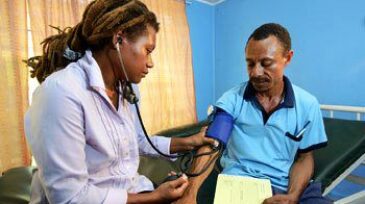
As part of the Papua New Guinea Liquefied Natural Gas project, a systematic longitudinal effort was made to collect a broad range of morbidity and mortality data for those communities directly adjacent to the project. These data were used to inform workplace disease-monitoring efforts.
-
Occupational exposure to vibration has been associated with an increased risk of musculoskeletal pain in the back, neck, hands, shoulders, and hips and also may contribute to the development of peripheral and cardiovascular disorders and gastrointestinal problems.
-
This study investigated the association between occupational noise exposure and the risk of elevated blood pressure and hypertension by stage in young adults.
-
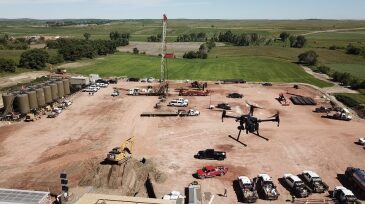
One of the more significant benefits of drones in the field to date has been their ability to improve safety in the field.
-
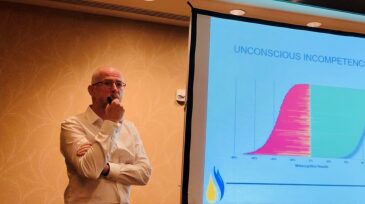
Safety training must hurdle barriers built by people’s confidence in their misconceptions.
-
A hands-on workshop set for 14 February in Houston will be led by industry leaders in health, safety, and environment to provide participants the opportunity to learn how to inspire, motivate, and lead for safety and operational excellence.
-
SponsoredNew extreme environment ultracapacitor technology will allow directional drillers to eliminate lithium from their entire supply chain. These advanced ultracapacitors can be coupled with downhole turbine generators to provide reliable downhole power without the need for lithium.
-
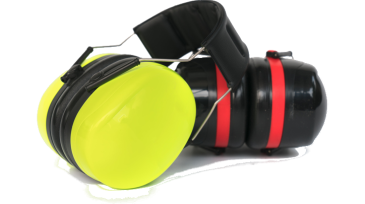
Upstream oil and gas operations are inherently loud environments. With the right equipment, training, and hearing-conservation program, these noisy operations need not pose a risk to workers’ hearing.
-
OSHA’s efforts to require employers to report occupational fatalities and certain injuries in a timely manner lack “sufficient guidance on how to detect and prevent underreporting,” the Department of Labor Office of Inspector General states in its semiannual report to Congress.