Safety

Shell has demonstrated drone-in-a-box operations from its Mars floating production unit, becoming the first operator in the region to secure FAA approval for self-approved offshore beyond-visual-line-of-sight flights. JPT Senior Technology Editor Jennifer Pallanich visited Shell Technology Center Houston to see the system in action.

SPE’s newly renamed Safety Technical Section expands the reach of human factors by integrating safety, risk management, and system resilience expertise while preserving dedicated leadership and technical focus.

As drilling operations become increasingly digital, computer vision is emerging as a continuous safety layer that complements, not replaces, established safety practices. The challenge is no longer whether artificial intelligence can detect hazards, but how operators should deploy, integrate, and govern these systems to improve safety without adding operational comple…
-
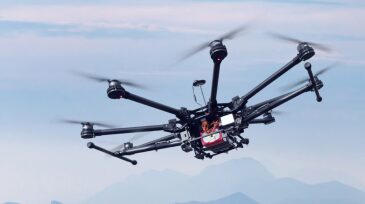
 As drones become a more significant part of energy projects, the guide outlines the steps operators should take in assessing their capabilities to run a drone program and the elements such programs should consider, including safety and regulatory concerns.
 -
The American Petroleum Institute announced the publication of its Guide for Developing an Unmanned Aircraft Systems Program, which will help ensure worker and operational safety as the industry introduces drones in its operations.
-
Aberdeen’s Opex Group and an industrial behavioral psychologist are designing a tool that will combine data from diagnostic surveys with historical data on oil and gas accidents and spills.
-
Some environmentalists and community activists have demanded the commission stop issuing permits until the new rules are complete.
-
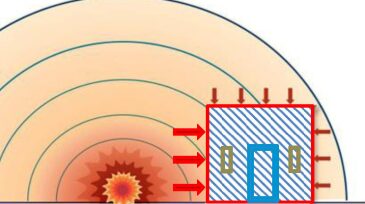
Buildings that are manned or house critical equipment ideally will be a safe distance from potential explosions. Maintaining the required stand-off distance, however, is not always possible. This paper discusses challenges and best practices for blast protection of plant buildings.
-
The National Institute for Occupational Safety and Health has developed an evidence-based method that uses the criteria of "burden," "need," and "impact" to identify research priorities.
-
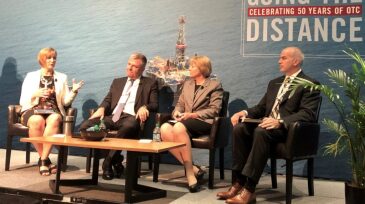
Digitalization and new technologies are disrupting old practices and shaping a new safety landscape for the oil and gas industry. At OTC, a panel sponsored by the Center for Offshore Safety looked at the effects of some of these new technology trends.
-
Behavior is neutral. This simple mantra will set your safety program free of the dysfunctions that kill your safety culture. Behavior is not right or wrong, good or bad. It just is. Approach behaviors with the dispassionate, objective view of a scientist.
-
Despite the challenges of working in the offshore environment, Sulzer Wood has recently recorded 9 years without a lost-time incident, which equates to approximately 1.5 million man-hours.
-
The Bureau of Safety and Environmental Enforcement says its final well-control rule removes unnecessary regulatory burdens to responsible offshore development while maintaining safety and environmental protection.