Offshore/subsea systems

The Absheron gas field expansion will supply additional natural gas to Azerbaijan’s domestic market and support its export commitments to Turkey, allowing Baku to stay focused on meeting its gas export obligations to Europe.

This paper presents a flexible, highly cost- and energy-efficient method of gas separation and CO₂ capture from many different gas mixtures with a large range of CO₂ concentrations.

This work introduces a novel predictive methodology combining historical metocean data with real-time riser analysis for shallow water dynamically positioned rig operations.
-
 Cutting-edge computing and subsea wireless camera technology deployed on a pipeline construction project enhanced diver safety and generated significant cost savings by avoiding the need for additional subsea vessels.
 -
Aker Solutions and FSubsea have agreed to a joint venture, named FASTSubsea, to help operators increase oil recovery.
-
From its record high in 2014, purchases of subsea equipment and SURF fell around 50% until reaching a low in 2018. New data suggest that the subsea market will be a top-performing oilfield service segment.
-
The past year ended with a surge of subsea tree awards as E&P operators locked in lower supply-chain cost. Will demand continue to grow in 2019 and allow subsea OEMs to build backlogs and take back pricing power?
-
Anadarko Mozambique Area 1, LTDA, a subsidiary of Anadarko Petroleum Corp., named the preferred tenderers for provision of the subsea production systems. Formal award will follow final agreement of contracts and Mozambique LNG taking a final investment decision, expected in the first half of this year.
-
LLOG’s subsea pipeline tiebacks and structures connecting the Stonefly development to the Ram Powell platform are scheduled to be installed in Q3 2019.
-
Testing will be performed at DNV’s labs in Columbus, Ohio, and Norway and overseen by experts in fatigue of subsea equipment, bolting connections, cathodic protection, and instrumented tests.
-
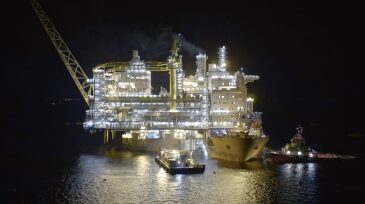
A project of “firsts,” Equinor’s Aasta Hansteen spar platform began producing gas on 16 December, opening a new region for gas export to Europe and the UK.
-
Westwood forecasts a recovery in the subsea market backed by a new wave of offshore investment. Subsea vessel operations and hardware expenditure are expected to total $152 billion from 2019 to 2023.
-
The firm hopes to remedy the cost-, labor-, and time-intensive process of executing offshore projects through deployment of “Subsea Connect,” which it says can cut project development costs by 30%.