Sustainability

Opening day remarks from President Mohamed Irfaan Ali framed fossil fuels and renewables as parallel systems amid rising demand and structural supply pressures.

Experts and industry leaders gathered in The Woodlands, Texas, recently to sift through the challenges of carbon capture, utilization, and storage. The puzzle is coming together, but some critical pieces are still needed before the results look like the picture on the box.

The chair of the SPE Georgetown Section outlines how balanced, apolitical dialogue can support development amid rapid energy expansion.
-
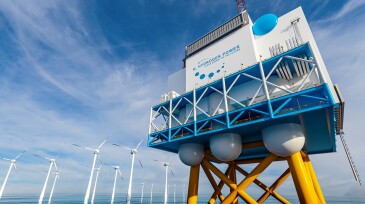
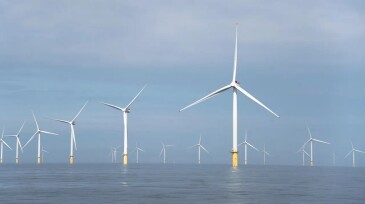
 This paper assesses the opportunity for an integrated and circular approach to developing the offshore energy sector for the energy transition. It evaluates how offshore wind, green hydrogen production, and heritage oil and gas expertise can be brought together to benefit all sectors to support a viable green hydrogen and wind economy.
 -
Through a swap transaction, the Norwegian major will take over full ownership of the Empire Wind project from BP while the British major will take full ownership of the Beacon Wind project.
-
After becoming the first oil and gas major to source all its onshore grid electricity needs from nuclear and solar energy, ADNOC now focuses on decarbonizing production offshore.
-
This paper aims to demonstrate the need for competency in a social performance skill group to support companies in human rights management.
-
Fracturing companies can’t connect to the electric grid fast enough as they seek to reduce emissions, save costs.
-
As the industry navigates a transition to more sustainable practices, environment, social, and governance principles serve as a compass for aligning business operations with the broader expectations of society and the investment community.
-
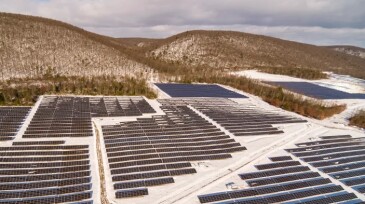
Solar and natural gas surged last year in the US, while wind stumbled.
-
Energy storage is essential to a clean electricity grid, but aggressive decarbonization goals require development of long-duration energy storage technologies.
-
The year 2023 contained several important sustainability narratives and trends. Three key ones are the anti-ESG movement, China’s acceleration of a clean economy, and the rise of reporting regulations.
-
The Gulf region can leverage its energy history, infrastructure, capacity, and expertise to lead the energy transition.