Sustainability

This paper explores the application of a modular, high-temperature gas-cooled nuclear reactor to a Very Large Crude Carrier-class floating production, storage, and offloading vessel.

This paper describes the potential of combined-cycle technology (use of a gas turbine and a steam turbine together to turn fuel into electricity) in offshore carbon-capture applications.

This paper uses the structural-integrity-management framework to evaluate the current structural integrity of chosen platforms, highlighting their potential and limitations for carbon capture, use, and storage purposes based on in-service assessments.
-
 Verner Ayukegba, senior vice president at the African Energy Chamber, says that Angola can balance environmental protections with ongoing hydrocarbon exploration, just as is foreseen by its constitution.
 -
Canada has several strategic advantages that can support a robust hydrogen industry. These include both carbon-based and renewable resources for producing hydrogen, a skilled energy sector, strategic infrastructure, and a history of being a global leader in the hydrogen and fuel-cell market.
-
There is little question that carbon capture, storage, and utilization is destined to become one of America’s big growth industries in the years to come.
-
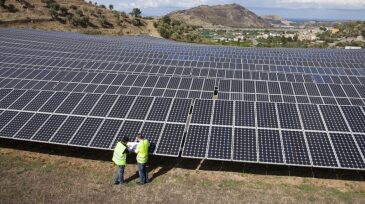
Total’s acquisition of 20% of Adani Green Energy adds to the supermajor’s global solar portfolio and advances its objective of reaching 35 GW of gross production capacity from renewable sources by 2025.
-
This paper addresses both tangible and intangible benefits that communities have received and quality-of-life enhancements in the communities, as well as the key performance indicators used to measure performance for operational excellence, community development, and project/program evaluation.
-
Aside from being the right thing to do, improving labor rights and worker welfare has a compelling commercial case. When workers are happy and engaged, they tend to work more safely and efficiently and the risk of delays and disputes is minimized.
-
Brian Sullivan, the executive director of IPIECA, the global oil and gas industry association for advancing environmental and social performance, lays out the organization’s plans to adapt to a changing world while supporting the energy transition and sustainable development.
-
The UN says the 2020 Climate Action Summit delivered a surge in progress toward climate goals.
-
With one of the world’s lowest electrification rates, Mozambique is moving to give its citizens a brighter future. Together with South Africa’s Sasol, the country endeavors to attract global EPCM companies and international financing to create a power generation hub fueled by gas from onshore fields.
-
The Texas oil and gas company will trim its carbon footprint in the coming years by building on a low-carbon investment that already totals more than $10 billion.