Unconventional/complex reservoirs

This paper documents the testing, integration, and field deployment of a metal expandable packer used as an openhole toe isolation plug in a deepwater well under high-pressure, high-temperature conditions.

This paper aims to establish a set of best practices for generating particle-size-distribution data from core samples.

This paper discusses the successful execution of two openhole gravel-pack completions in two Gulf of Mexico fields with depleted reservoirs.
-
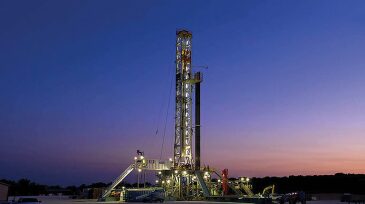
 As well-developed shale plays and tight formations mature and decline in production, nontraditional strategies for maximizing production and discovering new resources must be considered.
 -
This paper outlines the key issues that must be addressed from a regulatory perspective in regard to the development of an onshore unconventional-gas industry in the Northern Territory.
-
In unconventional plays, comparing the effect of different completion designs or well-management strategies on well performance remains a challenge because of the relatively brief production history and lack of long-term field analogs of these plays.
-
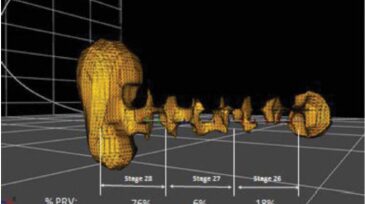
With multistage operations becoming the industry norm, operators need easily deployable diversion technologies that will protect previously stimulated perforations and enable addition of new ones. This paper reviews several aspects of the use of in-stage diversion.
-
There is increasing interest in drilling the Austin Chalk formation, with hopes that the latest unconventional development methods can deliver a boom in a play that has seen several over a 90-year history.
-
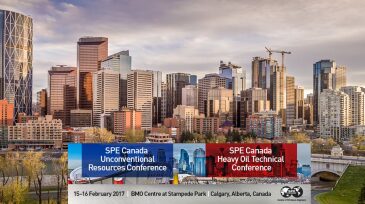
SPE conferences in Calgary examine the challenges of finding and producing heavy oil and unconventional hydrocarbons at a time when Canadian producers are feeling exceptional price pressures.
-
With an uncertain future spawning from the Brexit referendum, the British government is seeking to maintain as much consistency in its energy policy as possible.
-
A new play in the Permian Basin is unconventional in an unexpected way: there is a small group of independents producing from a watery formation where oil production begins after they have pumped only water for weeks.
-
Carbo Ceramics is making big strides in the use of ceramic proppant.
-
Saudi Aramco has begun moving toward the production phase of its ambitious plan to develop its enormous hoard of unconventional gas resources.