Water management

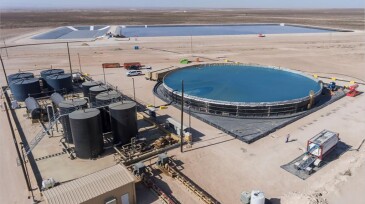
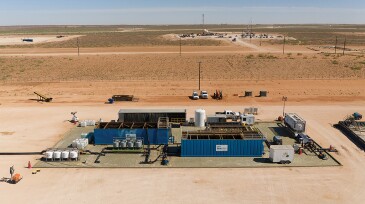
The startup company’s Midland Basin demonstration plant, located in the Permian Basin, takes a major step toward commercialization by proving its direct lithium extraction technology can refine battery-grade lithium carbonate from produced water under multiple 24/7 production cycles.
This paper presents an approach to the identification, selection, and implementation of initiatives for sustainable water management, withdrawal reduction, and water valorization.

Disposal wells remain the lowest-cost solution for produced water, but concerns over seismicity and long-term sustainability are accelerating interest in alternatives.
-
 The three papers chosen for publication share different approaches to chemically managing high-salinity produced water through commercially viable approaches. The identification of processes to treat high salinity levels and the approaches to alter and control the process make the papers not only good for discussion but also practical for all players, big and small.
 -
The produced water conundrum in the Permian Basin will be solved by a mix of recycling, disposal, and future breakthroughs in technology currently being studied.
-
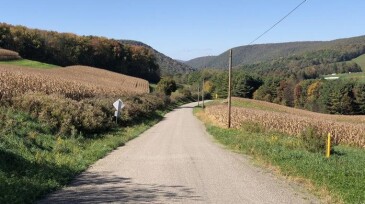
A health study commissioned by Pennsylvania environmental officials examined the practice of spreading waste water on rural dirt roads in the state. Researchers concluded that the practice doesn’t control dust effectively and poses dangers to the environment and human health.
-
The companies will leverage each other’s experience and assets to offer full-cycle water-handling services in West Texas.
-
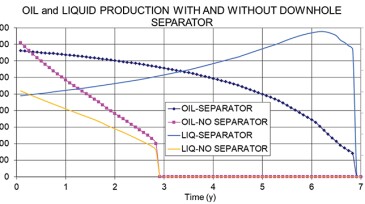
The paper presents a system for separation of water in downhole horizontal wells in which the water produced from the well is not lifted to the surface but reinjected into the reservoir.
-
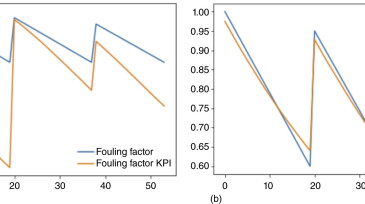
The machine-learning techniques applied aim to deliver a prediction model based on both simulation and real-time field data. The model tracks and monitors system key performance indicators.
-
Even though total produced volumes are projected to hit new record highs in the coming years, treated water is expected to be comparatively lower than in the past, despite water disposal practices increasing oilfield seismic activity, with earthquakes nearly doubling in West Texas alone in 2021.
-
When it comes to produced water from US shale plays, it’s either recycle and reuse or throw it away—and both are easier said than done.
-
Operators will not be able to inject wastewater below 10,000 ft in the Gardendale area.
-
The machine-learning techniques applied in this study aim to deliver a fouling-prediction model based on both simulation and real-time field data.