


Eni and Petronas have combined 19 gas-producing and development assets—14 in Indonesia and five in Malaysia—into their new Searah 50/50 joint venture that aims to grow an initial 300,000 BOE/D production base to 500,000 BOE/D within 3 years.
Finalization of the joint venture followed signing of an investment agreement on 3 November 2025 and a memorandum of understanding in February 2025.
“Searah reflects our proven satellite strategy that aims at building focused, high-quality businesses that can combine scale, efficiency, and growth and that are driven by our excellence in exploration and project execution and our continued focus on technology and innovation,” Eni CEO Claudio Descalzi said in a 8 June news release announcing the JV’s launch with regulatory, governmental, and partner approvals now in place.
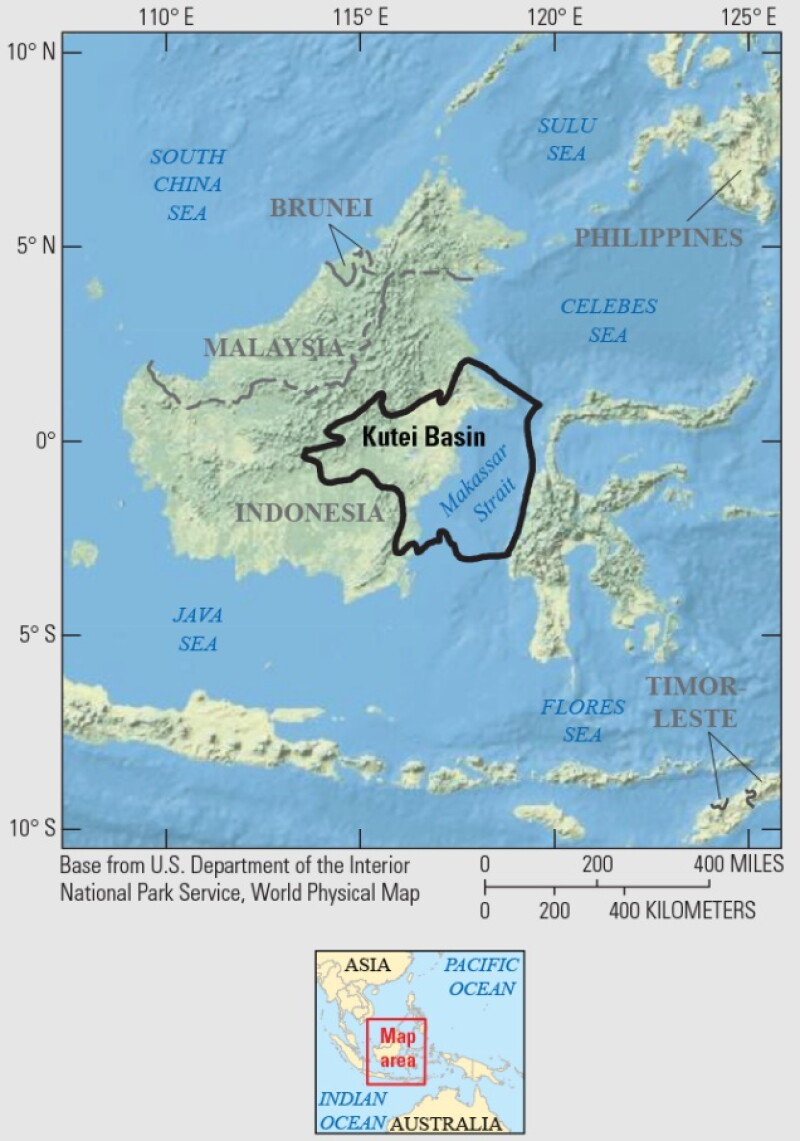
Among the JV’s asset base are Eni-operated deepwater gas-condensate accumulations in the Kutei Basin, offshore East Kalimantan, Indonesia, including
- The Gendalo and Gandang fields (South Hub) and Geng North and Gehem fields (North Hub), which are said to hold nearly 10 Tcf of gas initially in place and approximately 550 million bbl of associated condensate. Eni took final investment decisions in March on the developments, which target first production in 2028, reaching a plateau of 2 Bscf/D of gas and 90,000 B/D of condensate by 2029.
- Also, the giant Geliga-1 gas discovery in the Ganal block in the Kutei basin, which is estimated to contain around 5 Tcf of gas and 300 million bbl of condensate. The Italian major said the well demonstrated excellent reservoir quality, capable of producing approximately 200 MMscf/D of gas and 10,000 B/D of condensate.
“Searah is a strong new entity in Southeast Asia—the first and largest of its kind in the region—combining our expertise with that of Petronas to support the development of energy resources in Indonesia and Malaysia, with a strong commitment to environmental protection and local growth,” Descalzi said.
Tengku Muhammad Taufik, president and group CEO of Petronas, noted that the Searah JV “aligns with Petronas’ intensified focus on exercising greater discipline in developing resources coupled with more agile capital deployment as well as stronger emphasis on sustained value creation across the gas value chain.
“Leveraging the complementary portfolios and capabilities of both Petronas and Eni, Searah is envisaged to bring the operational depth, financial resilience, and growth capacity of both partners in addressing the region’s growing energy needs reliably and responsibly, even as it contributes towards the long-term security of supply in Indonesia and Malaysia.”
Financing a 5-Year Growth Plan
The partners have secured $6 billion in revolving credits. They also seek to attract over $20 billion in investment over 5 years to fund Searah’s growth plans, which include developing more than 3 billion BOE of discovered resources and unlocking additional exploration potential, the release said.
Eni and Petronas share aligned environmental and sustainability objectives for Searah and said they believe collaboration will strengthen operations while supporting economic development and local opportunities in both countries. Searah’s independent and integrated operating model will also generate synergies in logistics and technology, Eni said in its release.
All Eni Indonesia and Petronas Indonesia staff have transitioned to Searah, alongside the establishment of Searah Malaysia, a dedicated entity created to manage Malaysian assets.
Eni has been present in Indonesia since 2001 and currently holds a diversified upstream portfolio spanning exploration, development, and production. Net production stands at approximately 90,000 BOE/D, mainly from the Jangkrik and Merakes fields offshore East Kalimantan.