Testing page for app
-
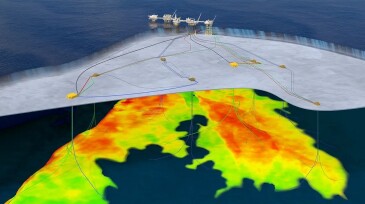
 Electricity produced onshore powers oil production at Johan Sverdrup holding CO₂ emissions at only 5% of the global average.
 -
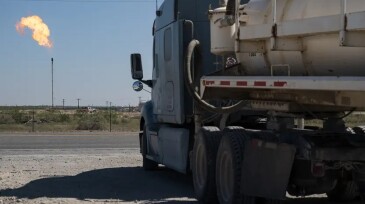
Texas lawmakers passed a suite of bills that officials said are crucial to combat losses in the state’s largest oil field.
-
Twenty-seven SPE Sections around the world have been recognized with the 2025 Regional Outstanding Section Award.
-
As carbon capture scales up worldwide, the real challenge lies deep underground—where smart reservoir management determines whether CO₂ stays put for good.
-
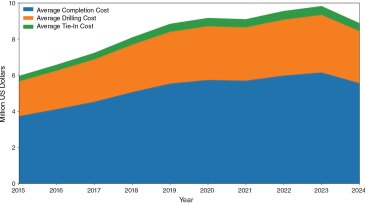
This study aims to thoroughly assess the influence of various completions, fracturing stimulation, and intrinsic reservoir properties affecting the productivity of 10 major unconventional plays while uncovering insights and trends unique to each play.
-
This paper aims to describe the role of liquefied natural gas as a transitional energy source for automobile transportation in Nigeria.
-
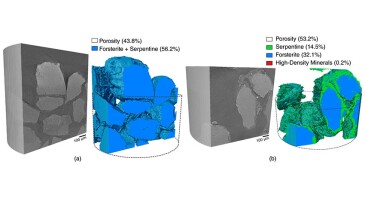
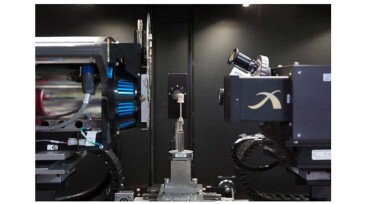
This study concludes that it is relatively easy to generate enhanced hydrogen in the laboratory during injection of high-pH aqueous solution through a pack of olivine sand.
-
The authors of this paper present a workflow designed to achieve maximum integration between analytical and modeling activities in carbon capture and storage projects.
-
Updates about global exploration and production activities and developments.
-
This article is the third in a Q&A series from the SPE Research and Development Technical Section focusing on emerging energy technologies. In this piece, Zikri Bayraktar, a senior machine learning engineer with SLB’s Software Technology and Innovation Center, discusses the expanding use of artificial intelligence in the upstream sector.