Testing page for app
-
 The accelerating deployment of machine learning and automation is changing the artificial lift landscape. By embedding intelligence into the control loop, operators now can move from reactive decision-making to proactive, continuous optimization.
 -
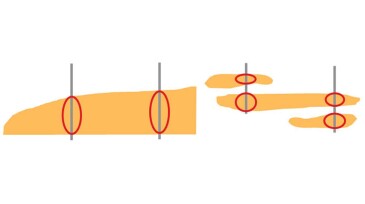
This paper describes an alternative lower-completion concept for developing Lower Wilcox reservoirs referred to as high-angle multifractured well design.
-
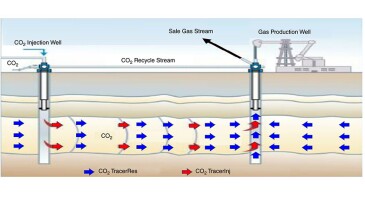
This study explores the feasibility of implementing in-situ carbon dioxide recycling for sequestration as a fit-for-purpose developmental strategy for a Malaysian gas field characterized by an initial carbon-dioxide content of approximately 60%.
-
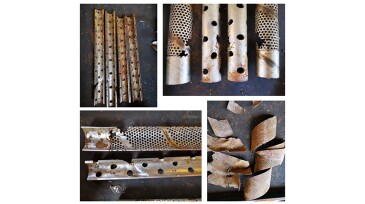
This paper presents a study conducted on past through-tubing sand-screen installations to understand performance and develop a workflow to improve future installations.
-
Updates about global exploration and production activities and developments.
-
Each year during its Annual Technical Conference and Exhibition (ATCE), SPE honors members whose outstanding contributions to SPE and the petroleum industry merit special distinction. Recipients will be recognized at the Annual Awards Banquet on 21 October.
-
With artificial intelligence and online training both on the rise, it's crucial to ensure workers and companies treat safety as more than a box-checking exercise.
-
Three SPE specialty publications are being retired, yet coverage of their respective topics will live on in JPT. The change gives members a single platform for upstream knowledge while streamlining SPE’s publishing operations.
-
Jennifer Miskimins shares her vision for the year ahead—rooted in SPE’s new tagline, “Solutions. People. Energy.”—and outlines how the Society can meet growing global energy needs, support members, and shape the industry’s future.
-
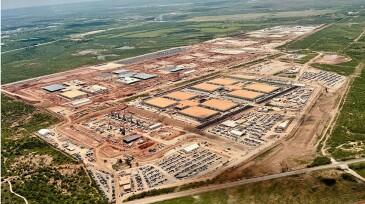
The technology to desalinate and reuse produced water for cooling AI data centers in the Permian Basin exists, but addressing cost challenges remains critical to widespread adoption.