Testing page for app
-
 Technology is evolving to meet the challenges to automate water separation and purification in deepwater for environmentally safe discharge at the seabed. To solve these problems the best available solutions must be selected and the technology gaps must be identified and closed.
-
The papers in this month's issue describe an optimization method for long-distance gas-transmission pipelines, a potential solution to handle produced water from subsea wells. the driving forces in paraffin deposition, and a novel method to verify leaks in a sulfur-recovery unit condenser.
-
Many two-phase and three-phase separators in the oil and gas industry continue to underperform. This article explores the weaknesses in different sizing methodologies and proposes manageable approaches to quantifying each.
-
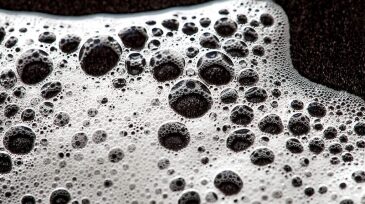
In an SPE webinar, “Foaming in Separators: Handling and Operation,” Wally Georgie, principal consultant at Maxoil Solutions, presented an overview of foam generation and how the design of processes and chemical management can exacerbate its detrimental effects in separators.
-
The oil and gas industry's performance in executing megaprojects is dismal in terms of cost overruns and schedule slippage. An operating company has introduced a support group dedicated to project management and developed a program based on online resources, social networking, mentoring and coaching
-
The 2013 SPE ATCE to be held 30 September–2 October in New Orleans features technical and special sessions, and a dinner event spotlighting projects, facilities, and construction.
-
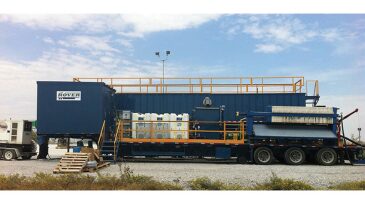
In this second article of a series covering water management in hydraulic fracturing (HF) in unconventional resources, the properties and characteristics of the flowback fluids are discussed, together with the general categories of technologies that are best suited to treat them.
-
OTC recognized three figures who have contributed to facilities engineering: Dendy Sloan, Jim Brill, and Ken Arnold. They were recognized with the Distinguished Achievement Awards for their technical and leadership contributions to the industry.
-
The effects of turbulence/shear and thermal driving force on wax-deposition characteristics were experimentally studied using a waxy crude oil from the Gulf of Mexico.
-
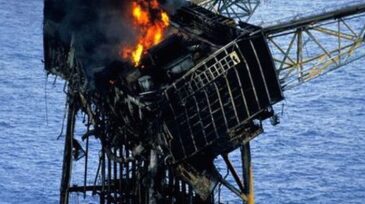
The new influx of well capping companies finds ways to shut down wells by employing equipment used for everyday tasks. Their challenge today is to anticipate and develop equipment to prevent the potential blowouts of tomorrow.