Testing page for app
-
 ExxonMobil announced that it is partnering with two Singapore universities to open a Singapore Energy Center in 2019 to focus on new discoveries and significant improvements to technologies that could enhance energy efficiency and other efforts to mitigate the risks of climate change.
 -
With only about 3% of data from industrial assets used for decision making or meaningful purpose, vessel, rig, and fleet owners are looking at ways to connect existing networks and assets to achieve optimized operational performance.
-
A new study from Harvard identifies human capital metrics measured by global companies but determined many companies don’t disclose them on public reports.
-
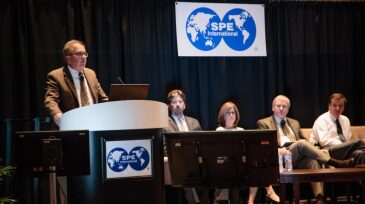
The chair of SPE’s Climate-Change Task Force provides an overview of the process by which it developed the society’s strategy to address the emission goals of the Paris Agreement on Climate Change.
-
Hess Corporation has been recognized for climate change stewardship, achieving leadership status in CDP’s 2017 Global Climate Analysis.
-
A task force from The Academy of Medicine, Engineering, and Science of Texas has released a comprehensive analysis of the effects the North American shale boom has had on the environment and communities in Texas.
-
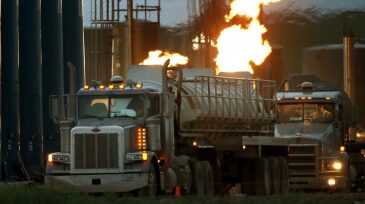
In recent years there has been a spike of research to determine what the extent of emissions are from fracked oil and gas wells. While much discussion has surrounded methane emissions, a greenhouse gas, less attention has been paid to air toxics.
-
Mark Albers, SPE, senior vice president at ExxonMobil, was awarded the Society of Women Engineers’ (SWE) Rodney D. Chipp Memorial Award. The award celebrates the work of a man or company who has made a significant contribution to the acceptance and advancement of women in engineering. The award was presented at the WE17, SWE’s conference and career fair held 22–28 Oct…
-
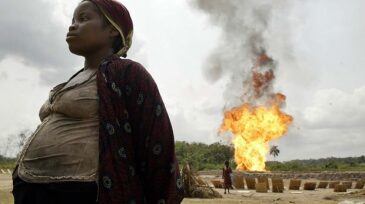
Babies in Nigeria are at double the risk of dying before they reach a month old if mothers lived near the scene of an oil spill before conceiving, study shows.
-
One of the world’s biggest oil companies is working on hundreds of low-carbon energy projects, from algae engineered to bloom into biofuels and cells that turn emissions into electricity.