Testing page for app
-
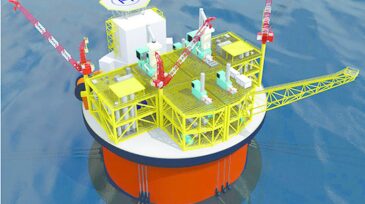
 This paper describes a split-process FLNG design where primary production and gas-treatment functions are provided on a host platform while liquefaction occurs on a separate vessel.
 -
Knowledge of the maximum- and minimum-permeability directions in anisotropic reservoirs helps to optimize injector and producer locations and is important for reservoir management, especially under secondary or enhanced recovery of hydrocarbons.
-
The application of high-precision downhole temperature sensors has resulted in pressure-transient analysis (PTA) being complemented or replaced by temperature-transient analysis (TTA).
-
This paper describes the method developed to achieve underbalanced drillstem testing (DST) in a deepwater field offshore India.
-
Understanding of formation damage is a key theme in a waterflood project. An integrated multidisciplinary approach is required to determine an optimal design and strategy.
-
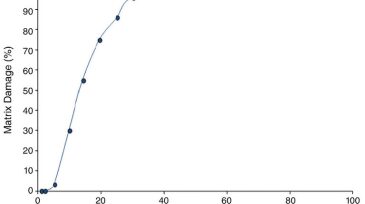
The paper describes a novel methodology to construct distributed formation damage across openhole wells in carbonate reservoirs and to evaluate the effects of damage on zonal productivity.
-
This paper summarizes a wide variety of sandstone-acid-stimulation case histories, highlighting aspects such as mechanical conditions and operational practices.
-
Numerous reports suggest that the worst of the oil industry downturn is decidedly over, and that the outlook for renewed capital spending this year is positive. Some firms are even hiring again.
-
A closer look at recent unmanned aerial vehicle (UAV) regulations and sensor technologies shows the areas in which they could have a major impact on oil and gas projects in the future.
-
One of the challenges for those involved with understanding an unexpected decline in well performance is identifying the exact causes for the reduced productivity. Consideration of all data available can eventually point toward one factor that could explain productivity decline.