Testing page for app
-
 Acquiring new 3D broadband seismic data of a gas field containing legacy 3D conventional towed-streamer seismic data.
 -
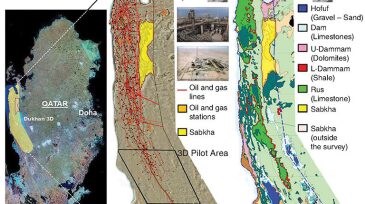
Integration of microgravity, resistivity, and seismic data improves the fidelity of seismic images and the depth match.
-
The addition of a hydrocarbon condensate to steam operations in heavy-oil and bitumen reservoirs has emerged as a potential technology to improve not only oil recovery but also energy efficiency.
-
Chemical enhanced-oil-recovery methods such as polymer and alkaline/surfactant/polymer (ASP) flooding are generally not considered suitable for oil viscosities greater than 100 or 200 cp.
-
Cyber threats have expanded beyond data breaches and the theft of intellectual property. Drilling and production assets are at risk of being disrupted or destroyed due to vulnerable control systems.
-
The integration of microseismic data with 3D seismic attributes, and well log and completions data is used to understand geomechanical rock properties.
-
ExxonMobil’s latest long-term energy outlook paints a generally robust picture for oil and natural gas despite the steep fall in hydrocarbon prices and cuts in capital spending.
-
There is widespread acceptance that extraction industries—including oil and gas—improve people’s lives and enable the economic growth of countries. However, at the project level, this acceptance is neither automatic nor unconditional.
-
A refracturing campaign in the Permian yielded a production gain that allowed payback on the investment within 6–12 months.
-
A pilot project carried out by Hess demonstrates how quickly automated drilling technology is able to take a rig from the bottom of the pack in terms of performance and push it to the top.