Testing page for app
-
 Digital technologies serve as a primary theme of this year’s group, with a few environmentally conscious firms included in the mix.
 -
This paper presents one company’s experience developing sound technical specifications for prefabricated temporary safe refuges (TSRs). It also details the specifications and presents their implementation and the detailed studies conducted on cost-effective conversions of existing buildings to TSRs.
-
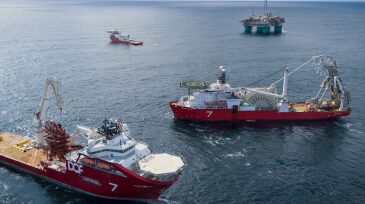
The completion of the subsea installation marks another major step for one of several projects scheduled to tie back to the Gjøa platform in the Norwegian North Sea. Production for the Wintershall Dea-operated project is expected to start up in 2021.
-
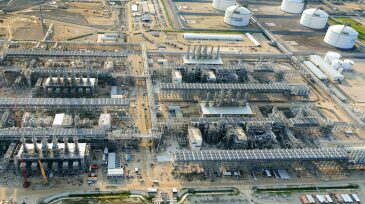
The berth project would accomodate an increased number of carriers arriving at the LNG export terminal in Louisiana, minimizing delays caused by adverse weather or ship traffic and removing bottlenecks associated with LNG loading.
-
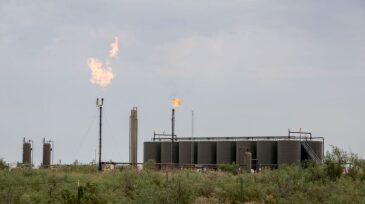
New Mexico’s Lujan Grisham pushes an ambitious pro-environment agenda for an industry whose receipts dominate the state budget.
-
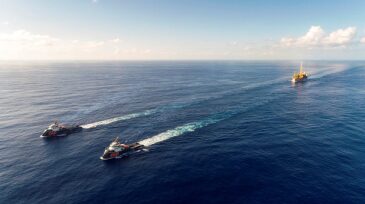
Following a 42-day journey from Singapore, the Liza Destiny has arrived at the Stabroek Block offshore Guyana, where it is expected to produce up to 120,000 gross boe/D from the ExxonMobil-operated deepwater project upon startup.
-
Systems that reward for low or zero incidents may be to blame.
-
Siccar Point Energy has awarded a front-end engineering and design (FEED) contract to Sembcorp Marine Rigs & Floaters for the design of a Sevan cylindrical FPSO for its Cambo field development in the UK North Sea. In addition to the FPSO contract, Baker Hughes, a GE company, is undertaking other FEED work for wells, subsea, and riser systems. Genesis is also working o…
-
The latest edition of Journal Citation Reports® 2019 was recently released, and according to the report, SPE’s peer-reviewed journals have significantly improved their impact factors. This is the first time that all of SPE's journals had an impact factor greater than 1.
-
The deal sees H2O Midstream increase its produced water gathering network to more than 435,000 B/D of disposal capacity and 190 total miles of pipeline. The Permian water midstream company will add more than 40,000 B/D of recycling capacity with the option to double that capacity over time.