Testing page for app
-
 The company's second location in the area is expected to increase the production capacity for large-scale exploration and production digital transformation projects that are already under way.
 -
The $30.5-billion project is expected to produce 18 mtpa of LNG once it starts up; commissioning is expected sometime in the mid-2020s. Canada’s investment includes $160 million to fund energy-efficient turbines, which the government says will minimize greenhouse gas emissions.
-
The Valhall Flank West topsides were installed on the Valhall field on 22 June, 14 months after the first steel was cut at Kværner’s yard in Verdal.
-
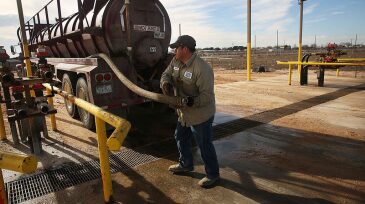
The well count and completion intensity of US tight oil and gas operations have grown in recent years, and rising pressure from environmental regulations means that produced water management has become a key focus for operators.
-
Twelve organizations—universities and private technology companies—will conduct research and development on emerging shale plays and technologies covering everything from digital pressure-sensing to smart microchip proppant.
-
Baker Hughes, a GE company, (BHGE) and C3.ai announced a joint venture agreement that brings together BHGE’s fullstream oil and gas expertise with C3.ai’s unique artificial-intelligence software suite to deliver digital transformation technologies and drive productivity for the oil and gas industry.
-
When surface water is scarce, communities and industries typically turn to groundwater to meet their freshwater needs. A new report from the Groundwater Protection Council indicates that produced water may be a new resource to reduce the use of fresh water for some of those needs.
-
Hydroniq will deliver a hull-integrated seawater cooling system for a cable-laying vessel the Norwegian shipbuilder Vard is designing and building for Prysmian Group.
-
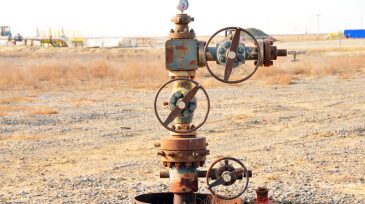
A new regulation includes provisions related to the timely abandonment of "dormant sites," a new site classification that refers to inactive wellsites operated by solvent companies.
-
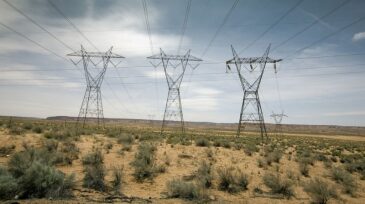
In a new troubling escalation, hackers behind at least two potentially fatal intrusions on industrial facilities have expanded their activities to probing dozens of power grids in the US and elsewhere, researchers with security firm Dragos reported.